
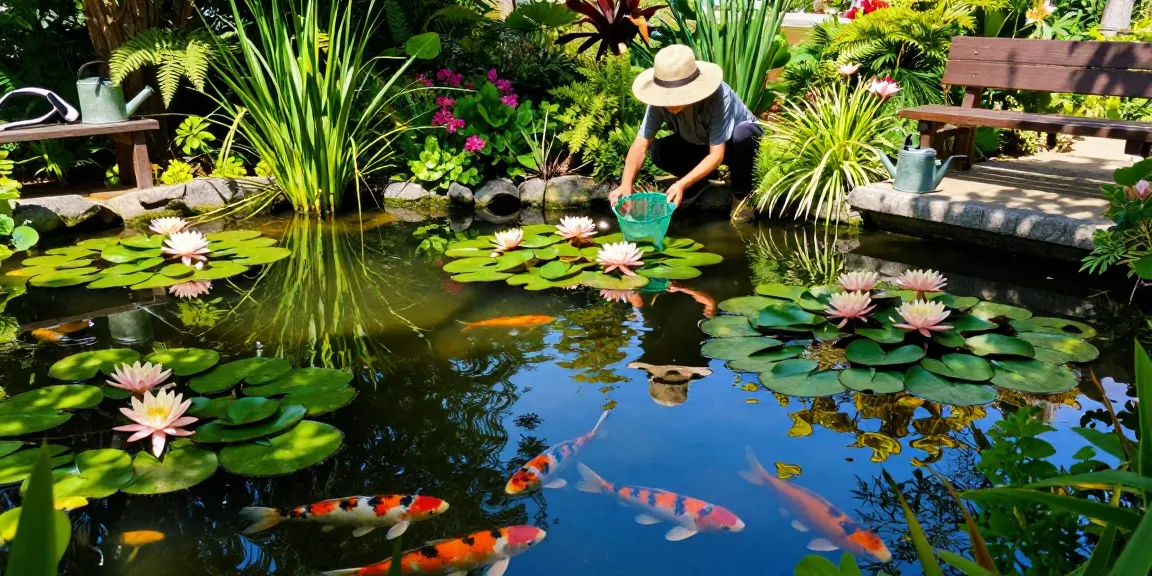
Understanding Water Lilies: The Heart of Pond Gardens
Water lilies are not just a captivating feature of any pond; they represent the soul of aquatic gardening. Their charming blooms and large, lush leaves create a serene atmosphere while providing crucial habitat and food for various wildlife. In 2026, as gardening trends evolve, water lilies remain a staple for pond enthusiasts, making their selection and care a vital topic for any pond gardener. When exploring options, Water Lilies provide comprehensive insights into varieties and care techniques.
What Are Water Lilies and Their Importance?
Water lilies belong to the family Nymphaeaceae and are native to various regions across the globe. These aquatic plants are characterized by their stunning flowers that bloom above the water’s surface and their broad, floating leaves. Beyond their beauty, water lilies play an essential role in aquatic ecosystems. They provide shade, helping to regulate water temperature, and their leaves offer a resting place for frogs and other wildlife.
Furthermore, water lilies contribute to the natural filtration of pond water, improving water quality by absorbing excess nutrients. This can reduce algae growth and provide a healthier environment for fish and other aquatic organisms.
Different Varieties of Water Lilies for Your Pond
Choosing the right water lily variety is crucial for your pond’s aesthetic and ecological balance. There are two primary types: hardy and tropical water lilies.
- Hardy Water Lilies: These varieties, such as the classic ‘Nymphaea alba’, can survive winter in temperate climates. They bloom early in the season and can be found in shades of white, pink, and yellow.
- Tropical Water Lilies: Known for their vibrant colors and expansive blooms, tropical varieties like ‘Nymphaea capensis’ require warmer water temperatures. They typically bloom continuously throughout the summer, making them an eye-catching addition to your pond.
Each type has its unique care requirements, and understanding these can lead to a thriving pond environment.
Best Practices for Growing Healthy Water Lilies
Essential Pond Conditions for Optimal Growth
Water lilies thrive in a variety of pond conditions, but attention to certain elements can enhance their growth and blooming potential. Ideally, they require at least six hours of sunlight daily, making bright, sunny locations the best choice. High exposure to sunlight allows the photosynthesis necessary for producing energy.
Additionally, a depth of 12 to 36 inches of water is optimal, as this depth prevents harmful pollutants from affecting the plants while allowing adequate access to light. Maintaining stable water temperatures between 70°F and 85°F promotes healthy growth.
Water Quality Management for Water Lilies
Water quality is paramount when cultivating water lilies. Regularly testing water for pH levels (ideally between 6.5 and 7.5) and nutrient concentrations can help in maintaining optimal conditions. Avoid excessive fertilization, as this can lead to algae blooms that compete with the water lilies for nutrients.
Using a natural filtration system, such as a bog filter or aquatic plants, can aid in maintaining clear and balanced water. Ensuring good oxygen levels and removing debris will keep the ecosystem healthy.
Common Water Lily Pests and How to Combat Them
While water lilies generally resist most pests, they can be vulnerable to aphids, spider mites, and beetles. Regular inspections for signs of damage are essential for early detection. A strong spray of water can often dislodge pests, while neem oil is an excellent organic option for treatment if infestations occur. Monitor water quality as poor conditions can exacerbate pest issues.
Seasonal Care for Water Lilies
Spring Preparation: Planting and Fertilizing Water Lilies
Spring is the perfect time to plant water lilies, as the water begins to warm up. When planting, ensure you use a planting container filled with aquatic soil and place the lily at the recommended depth. Fertilizing with a slow-release aquatic fertilizer will encourage healthy growth and vibrant blooms. Applying fertilizer should be done according to package instructions, ensuring over-fertilization is avoided.
Summer Care: Maintaining Water Levels and Health
During the summer months, water levels can drop due to evaporation. Regularly check the water level and replenish as necessary to maintain consistent depth. Additionally, keep an eye on the health of your water lilies, ensuring their leaves remain vibrant and free from pests. Regular removal of yellowing leaves will also help in promoting new growth.
Autumn and Winter: Preparing Water Lilies for Dormancy
As temperatures begin to drop in autumn, begin preparing your water lilies for dormancy. For hardy varieties, simply leave them in the pond, ensuring they are submerged at a depth below the frost line. For tropical varieties, they may need to be brought indoors or moved to a heated greenhouse to survive colder temperatures. Trim back any dead foliage to prevent decay in the pond.
Creating a Biodiverse Pond Environment
Complementing Water Lilies with Other Pond Plants
Incorporating a variety of aquatic and marginal plants can enhance the overall beauty and health of your pond environment. Pairing water lilies with floaters like duckweed can provide additional shade and habitat. Marginal plants such as cattails or irises not only add visual interest but also serve ecological functions, such as habitat for wildlife and filtration of pond water.
Incorporating Wildlife-Friendly Features into Your Pond
Wildlife-friendly features can significantly enhance your pond’s biodiversity. Adding rocks or driftwood can create additional habitat for frogs, insects, and small fish. Installing a small waterfall or fountain can aerate the water, promoting fish health and deterring algae growth. These features attract a variety of wildlife, making your pond a vibrant ecosystem.
Monitoring Ecosystem Health for Sustained Growth
Regular monitoring of your pond’s ecosystem is essential for ensuring sustained growth and health of your water lilies. Keep track of water quality parameters and adjust care as necessary. Observing the growth patterns of your plants and fish will provide insight into the overall health of the pond. Engaging with local gardening clubs or online forums can also provide valuable tips and peer support.
Emerging Trends for Water Lilies in 2026
Innovative Water Gardening Techniques to Explore
As we move into 2026, new techniques in water gardening are emerging. Hydroponic garden systems are gaining popularity, allowing gardeners to cultivate water lilies with less soil interruption. Innovations in aquarium technology are providing home pond enthusiasts with tools for better water management, including automated temperature and pH control systems that can help ensure optimal conditions for water lilies.
Technology’s Role in Pond Maintenance
Smart technology is becoming a significant player in pond maintenance. From automated water level monitors to solar-powered filtration systems, tech advancements are streamlining the process, making it easier for gardeners to maintain healthy water lily ponds while balancing environmental concerns.
The Future of Water Lilies: Eco-Friendly Cultivation Practices
As gardening practices shift towards sustainability, so too does the cultivation of water lilies. Organic fertilizers and natural pest control methods are becoming the norm, minimizing environmental impact. Furthermore, the adoption of companion planting strategies will support healthier ecosystems in ponds, ensuring that water lilies continue to thrive in harmony with their surroundings.
What are the benefits of adding water lilies to my pond?
Water lilies offer numerous benefits, including aesthetic appeal, improved water quality, and enhanced habitat for aquatic life. They create a serene environment while supporting the pond ecosystem.
How do I prevent pests from damaging my water lilies?
Regular inspection and maintaining water quality are key. Use natural pest control methods like neem oil and ensure your water lilies are not stressed by environmental factors.
When is the best time to plant water lilies?
Spring is the optimal time to plant water lilies, as the warming water temperatures promote root establishment and encourage blooming.
Can water lilies survive winter in my pond?
Hardy varieties can survive winter, provided they are kept below the frost line. Tropical varieties need to be moved indoors or to a warmer location.
What should I do if my water lilies aren’t blooming?
If your water lilies aren’t blooming, assess water quality, sunlight exposure, and nutrient levels. Adjusting these factors can often encourage blooming.