Understanding Water Lilies: A Comprehensive Overview
Water lilies are among the most enchanting aquatic plants, celebrated not just for their beauty but also for their ecological benefits. These perennial plants thrive in still or slow-moving waters, bringing vibrant colors and tranquility to gardens and ponds. As we delve into the world of water lilies, we explore their various types, ecological importance, and the best practices for cultivating these aquatic wonders. When exploring options, Water Lilies offer a wealth of resources for both novice and experienced gardeners alike.
What Are Water Lilies?
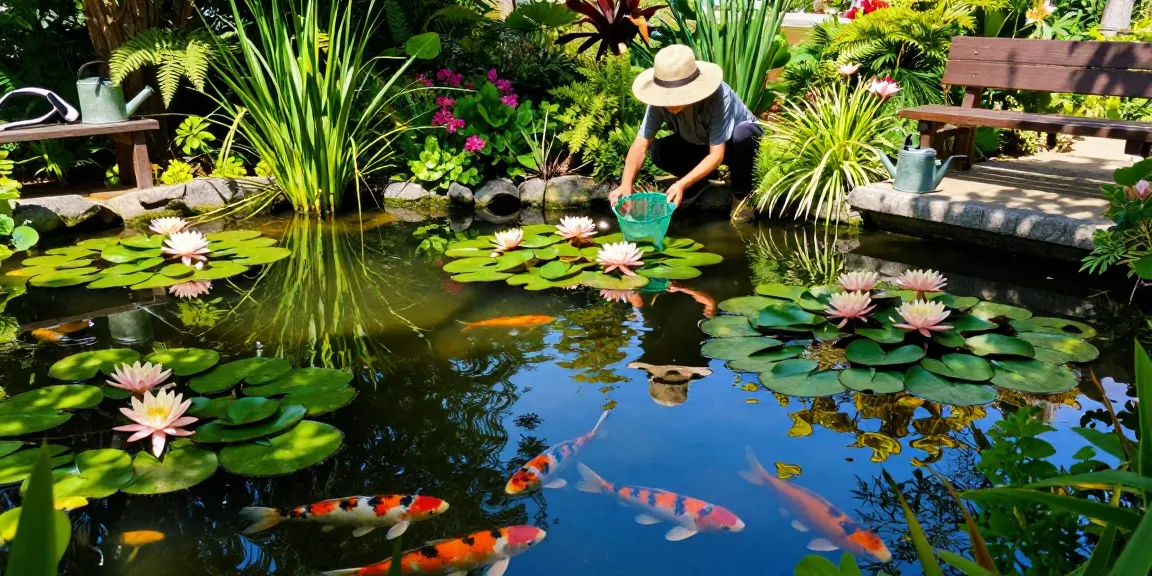
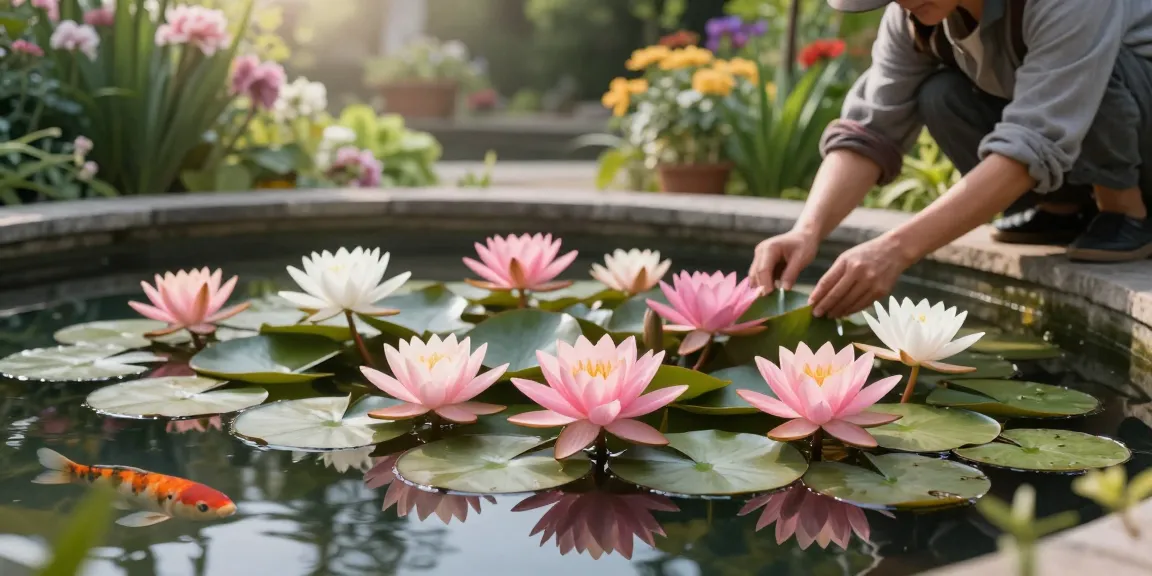
Water lilies (family Nymphaeaceae) are flowering plants that float on the surface of water bodies, characterized by their broad, lily-pad-like leaves and stunning blooms. These plants can be found in a variety of climates and are known for their ability to adapt to different water conditions. The flowers typically bloom during the day, attracting pollinators such as bees and butterflies, and close at night. The ability of water lilies to photosynthesize helps to oxygenate the water, supporting aquatic life.
Types of Water Lilies and Their Characteristics
There are numerous types of water lilies, each with distinct features. Below are some of the most popular varieties:
- Hardy Water Lilies: These varieties flourish in cooler climates and can survive winter conditions by going dormant underwater. They are characterized by robust growth and large flowers.
- Tropical Water Lilies: Unlike hardy varieties, tropical water lilies require warmer temperatures and are more sensitive to cold. They typically have vibrant colors and can bloom prolifically.
- Nymphoides: Sometimes mistaken for water lilies, Nymphoides are native to various water bodies and are known for their unique flower shapes.
Each type offers unique aesthetics and ecological advantages, making them suitable for varying pond conditions.
The Importance of Water Lilies in Aquatic Ecosystems
Water lilies play a crucial role in maintaining the health of aquatic ecosystems. Their expansive leaves provide shade, helping to regulate water temperature and minimize algae growth. By absorbing nutrients from the water, they also reduce the likelihood of nutrient build-up that can lead to eutrophication. Furthermore, they create habitats for fish and other aquatic organisms, contributing to biodiversity in their environments.
Common Challenges in Growing Water Lilies
Identifying Pests and Diseases Affecting Water Lilies
Despite their resilience, water lilies can be susceptible to a range of pests and diseases. Common pests include aphids, which can weaken the plant by sucking sap, and snails, which may damage the leaves. Fungal diseases can also occur, particularly if water conditions are poor. Regular monitoring and maintaining a balanced ecosystem can help mitigate these issues.
Environmental Factors Impacting Growth
The growth and health of water lilies are significantly influenced by environmental factors, including water temperature, sunlight, and water quality. Water lilies generally thrive in temperatures ranging from 70°F to 85°F (21°C to 29°C). Insufficient sunlight can hamper their growth and flowering, so it’s essential to provide them with at least six hours of direct sunlight daily. Additionally, maintaining proper water quality is crucial; the pH should ideally be between 6.0 and 7.5 for optimal growth.
Mistakes to Avoid When Caring for Water Lilies
Many gardeners make the mistake of over-fertilizing or incorrectly positioning water lilies. Over-fertilization can lead to excessive leaf growth at the expense of blooms. Placing them in unsuitable locations—either too deep or too shallow—can also hinder their growth. It’s vital to conduct thorough research on the specific needs of your chosen variety to ensure you provide the right care.
Best Practices for Planting Water Lilies
Choosing the Right Location and Container
For successful growth, selecting the appropriate location and container is essential. Water lilies should be planted in a spot that receives ample sunlight while being sheltered from harsh winds. Additionally, using a wide, shallow container allows the roots to spread out and promotes healthy growth. Ensure that the pot has drainage holes to prevent waterlogging.
Soil Preparation and Fertilization Techniques
Water lilies thrive in nutrient-rich soil. A recommended approach is to use a heavy loam soil mixed with aquatic plant fertilizer. When planting, it is advisable to bury the tubers about six inches below the soil surface, allowing the shoots to reach the water surface easily. Fertilizing should be done sparingly during the growing season, as excessive fertilizer can lead to poor water quality.
Water Management and Quality for Optimal Growth
Managing water quality is imperative for maintaining healthy water lilies. Regularly test the water for pH and nutrient levels, and ensure that the water is clean and free from pollutants. Adding a layer of organic mulch can help maintain moisture levels while preventing algae bloom, which can compete with your lilies for nutrients.
Enhancing Your Water Garden with Aquatic Plants
Companion Plants That Thrive with Water Lilies
Incorporating companion plants can enhance the aesthetics and health of your water garden. Consider adding:
- Floating Plants: Such as duckweed and water hyacinth
- Marginal Plants: Such as cattails and rushes, which provide additional habitat for wildlife
- Submerged Plants: Such as hornwort, which help oxygenate the water
These companions not only complement the water lilies but also help create a balanced ecosystem.
Creating a Balanced Ecosystem in Your Pond
To achieve a balanced ecosystem, it’s vital to incorporate various layers of plant life. This includes deeper-water plants, floating plants, and emergent species. Each layer plays a specific role in the ecosystem, from providing shelter to aquatic creatures to improving water quality. Regular maintenance, including pruning and dividing plants, will help sustain the health of the pond.
Tips for Designing an Aesthetic Water Feature
When designing your water feature, consider the visual impact of water lilies. Group different varieties together for a striking display of colors and forms. Incorporating natural elements like rocks or driftwood can enhance the visual appeal and provide additional habitats for wildlife. Ensure that your feature is accessible for maintenance while allowing for natural beauty to shine.
Future Trends in Water Lily Cultivation
Innovative Growing Techniques for 2026
As we look toward 2026, innovative cultivation techniques are expected to emerge, focusing on sustainability and efficiency. Hydroponics and aquaponics systems may become more mainstream, allowing water lilies to thrive in controlled environments while minimizing resource usage.
Emerging Water Lily Varieties to Watch
In the coming years, gardeners can expect new hybrids and varieties of water lilies that offer unique colors and improved disease resistance. Breeders are already working on varieties that can thrive in a wider range of environmental conditions, making it easier for gardeners in varying climates to cultivate these beautiful plants.
The Role of Technology in Aquatic Gardening
Technology will play a significant role in future aquatic gardening. Smart watering systems, water quality monitoring devices, and automated climate control for greenhouses could revolutionize how water lilies are cultivated. These innovations will allow both hobbyists and professionals to achieve greater success.
What Are the Best Water Lilies for Beginners?
For beginners, hardy water lily varieties such as Nymphaea ‘Henry D. Rutter’ and Nymphaea ‘Marliac’ are recommended due to their resilience and ease of care. These varieties can adapt well to various conditions and typically produce vibrant blooms with minimal intervention.
How Often Should You Fertilize Water Lilies?
Fertilization should generally occur every four to six weeks during the growing season, using a slow-release aquatic plant fertilizer. Over-fertilization can be detrimental, leading to excessive foliage growth and fewer blooms.
Can Water Lilies Survive Winter Outdoors?
Many hardy water lily varieties can survive winter outdoors, provided they are planted at a sufficient depth (usually around 18-24 inches) to prevent freezing. Tropical varieties, on the other hand, should be brought indoors or into a heated environment to survive cold temperatures.
What Factors Influence Water Lily Color Variations?
The color variations of water lilies are influenced by several factors, including genetics, water temperature, and nutrient availability. Different cultivars will exhibit distinct colors, ranging from deep pinks to bright whites and yellows, enhancing the visual diversity within a water garden.