
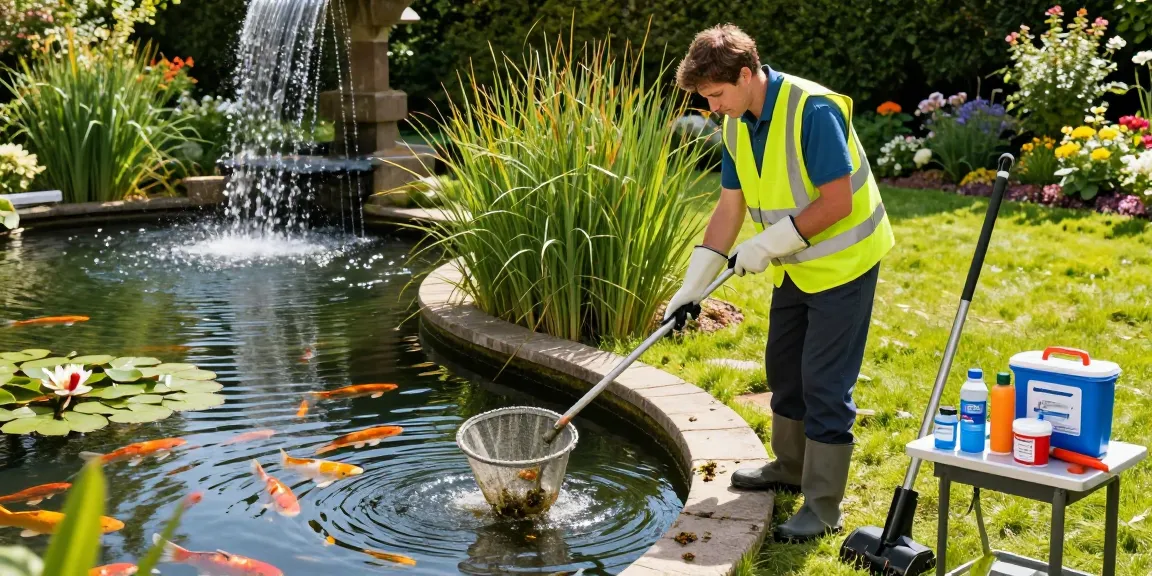
The Importance of Regular Pond Cleaning in Essex
Maintaining a healthy pond environment is essential for the well-being of local wildlife and the overall aesthetics of your property. Regular pond cleaning ensures that aquatic life thrives and helps prevent various water quality issues. In Essex, where the climate can significantly impact pond ecosystems, understanding the importance of consistent maintenance cannot be overstated. Engaging a service such as Pond Clean Essex can provide expert insights into maintaining the balance of your pond.
Why Pond Care is Essential for Local Ecosystems?
Ponds are vital components of many ecosystems, serving as habitats for various species of fish, amphibians, birds, and insects. Regular cleaning helps maintain clear water, allowing sunlight to penetrate for photosynthesis, crucial for aquatic plants. Neglecting pond care can lead to several problems:
- Algal Blooms: Algae thrive on excess nutrients, often caused by decaying organic matter and runoff. Excessive growth can deplete oxygen levels, harming fish and other aquatic organisms.
- Water Quality Degradation: A clean pond supports better filtration and reduces harmful bacteria, maintaining a balanced pH level.
- Wildlife Habitat Protection: Healthy ponds provide optimal breeding grounds and food sources for many species, promoting biodiversity.
Common Pond Filtration Issues and Solutions
Pond filtration systems are essential for maintaining water clarity and quality. However, they can face numerous challenges:
- Clogged Filters: Debris accumulation can block filtration systems, reducing their efficiency. Regular cleaning of mechanical filters can prevent this issue.
- Inadequate Flow Rates: If the flow rate is too low, the pond may not be adequately filtered. Assessing the pump size in relation to the pond’s volume is crucial.
- Biofilm Accumulation: Natural bacterial growth on filters helps break down waste but can become excessive, leading to reduced efficiency. Regular maintenance can help manage this.
Benefits of Professional Pond Maintenance Services
While DIY pond cleaning can be tempting, enlisting professional services offers several advantages:
- Expertise: Professionals understand the complexities of pond ecosystems and can provide tailored solutions.
- Time-Saving: Regular maintenance can be time-consuming. Professionals can perform these tasks efficiently, allowing pond owners to enjoy their space.
- Preventive Measures: Experts can identify potential problems early, helping to prevent costly repairs or ecosystem disruption in the future.
Pond Cleaning Techniques and Tools
Innovative Tools for Effective Pond Cleaning
Modern technology has revolutionized pond care, introducing a variety of tools that enhance cleaning efficiency:
- Pond Vacuum: Designed to remove debris and sludge without harming aquatic life, these vacuums are essential for maintaining clean water.
- Skimmers: Surface skimmers help remove leaves and organic debris, preventing them from sinking and decomposing in the pond.
- Pressure Washers: These can be used carefully to clean pond liners and rocks without damaging the ecosystem.
Step-by-Step Guide: DIY Pond Cleaning
If you decide to tackle pond cleaning yourself, here’s a simple step-by-step guide:
- Assess Condition: Determine the current state of your pond, checking for algae, debris, and water clarity.
- Prepare Tools: Gather necessary tools such as nets, vacuums, and water treatments.
- Remove Debris: Using nets or skimmers, remove leaves and floating debris from the surface.
- Clean the Bottom: Use a pond vacuum to remove sludge and sediment that accumulate at the bottom.
- Check Filtration Systems: Inspect and clean your filters to ensure they are functioning properly.
- Monitor Water Levels: Refill the pond if necessary, ensuring the water stays within acceptable levels for aquatic life.
When to Call in the Experts for Pond Cleaning
While DIY cleaning is manageable, certain situations warrant professional assistance:
- Severe Algal Blooms: When growth becomes excessive, it can be toxic and challenging to manage independently.
- Equipment Malfunctions: If your filtration or pump system fails, experts can troubleshoot and repair issues effectively.
- Complex Ecosystems: Ponds with unique species or ecological concerns benefit from professional evaluation and care.
Understanding Pond Algae and Filtration Systems
Types of Algae Commonly Found in Essex Ponds
Essex ponds often encounter various types of algae, including:
- Green Algae: Common and typically harmless, it can proliferate under high nutrient conditions.
- Blue-Green Algae: More toxic than other types, it can produce harmful toxins affecting wildlife and humans.
- Filamentous Algae: Resembles green wool and can clog filters if left unchecked.
Best Practices for Controlling Pond Algae Growth
To prevent algae problems, consider the following best practices:
- Monitor Nutrient Levels: Excess nutrients often lead to algal blooms. Regular testing can help manage these levels.
- Encourage Competition: Planting native aquatic plants can help outcompete algae for nutrients.
- Aeration: Increasing oxygen levels through aerators can help reduce algae growth and improve water quality.
Upgrading Your Pond Filtration System: What to Know
If your pond experiences persistent issues, it may be time to upgrade your filtration system:
- Assess Current Needs: Evaluate the size of your pond and the current filtration system’s efficiency.
- Choose the Right System: Options include mechanical, biological, and UV filters, each serving distinct purposes.
- Professional Installation: For complex systems, hiring professionals ensures proper setup and functionality.
Impact of Seasonal Changes on Pond Maintenance
Preparing Your Pond for Winter: Essential Steps
Winter can be harsh on ponds, so preparation is crucial:
- Remove Leaf Debris: Accumulated leaves can lead to reduced oxygen levels as they decompose under the ice.
- Reduce Feeding: As temperatures drop, fish metabolism slows, requiring less food.
- Install Aeration Systems: Maintaining oxygen levels is essential under ice to prevent fish kills.
Spring Cleaning: Revitalizing Your Pond After Winter
Spring is the perfect time to rejuvenate your pond:
- Inspect Equipment: Check all systems, including pumps and filters, to ensure they’re operational after winter.
- Remove Excess Debris: Clear any waste that may have built up during the cold months.
- Check Water Quality: Test for pH and ammonia levels to ensure a healthy environment for aquatic life.
Caring for Your Pond During the Hot Summer Months
Summer demands specific attention to keep your pond healthy:
- Regular Cleaning: Increased temperatures can accelerate algae growth, necessitating frequent cleaning.
- Water Temperature Monitoring: Ensure water temperatures remain within a healthy range for your fish species.
- Shade Provision: Adding plants or structures can provide shade, helping to reduce water temperature and algal growth.
Future Trends in Pond Care and Maintenance
Emerging Technologies in Aquatic Care
The pond care industry is witnessing several innovations:
- Smart Monitoring Systems: Users can now monitor water quality and conditions remotely, allowing for timely interventions.
- Automated Cleaning Solutions: Newer technologies are making it easier to maintain clean ponds with minimal manual effort.
- AI in Ecosystem Management: AI analytics can provide insights into pond health, helping predict issues before they become significant.
Eco-friendly Practices for Sustainable Pond Maintenance
Increasingly, pond care practices are focusing on sustainability:
- Natural Water Treatments: Utilizing biological treatments instead of chemicals supports healthier ecosystems.
- Native Plant Integration: Planting native species promotes biodiversity and reduces maintenance efforts.
- Rainwater Harvesting: Collecting rainwater for pond use helps conserve water resources.
Expert Predictions for Pond Trends in 2026 and Beyond
Looking ahead, the pond care industry is expected to evolve significantly:
- Increased Automation: As technology advances, more homeowners may rely on automated systems for maintenance.
- Emphasis on Biodiversity: An increased focus on supporting diverse ecosystems will shape pond design and care.
- Climate Resilience: Tools and practices that adapt to changing climate conditions will become essential for pond maintenance.
What are the best practices for maintaining a garden pond?
Regular maintenance, including cleaning debris, monitoring water quality, and ensuring proper filtration, is key to a healthy garden pond.
How often should I clean my pond in Essex?
The frequency of pond cleaning can depend on various factors, including the pond size and amount of organic matter. Generally, a thorough clean should occur at least once a season.
What can I do to prevent algae in my pond?
Preventing algae growth involves regular cleaning, monitoring nutrient levels, and promoting competition from native aquatic plants.
Are professional pond cleaning services worth the cost?
Absolutely. Professional services provide expertise, save time, and offer solutions that prevent long-term problems, making them a valuable investment.
What are the signs that my pond needs a professional clean?
Indicators include murky water, unpleasant odors, visible algal blooms, and stagnant areas. If you notice these symptoms, it’s time to call in the experts.