Understanding the Importance of Pond Cleaning in Essex
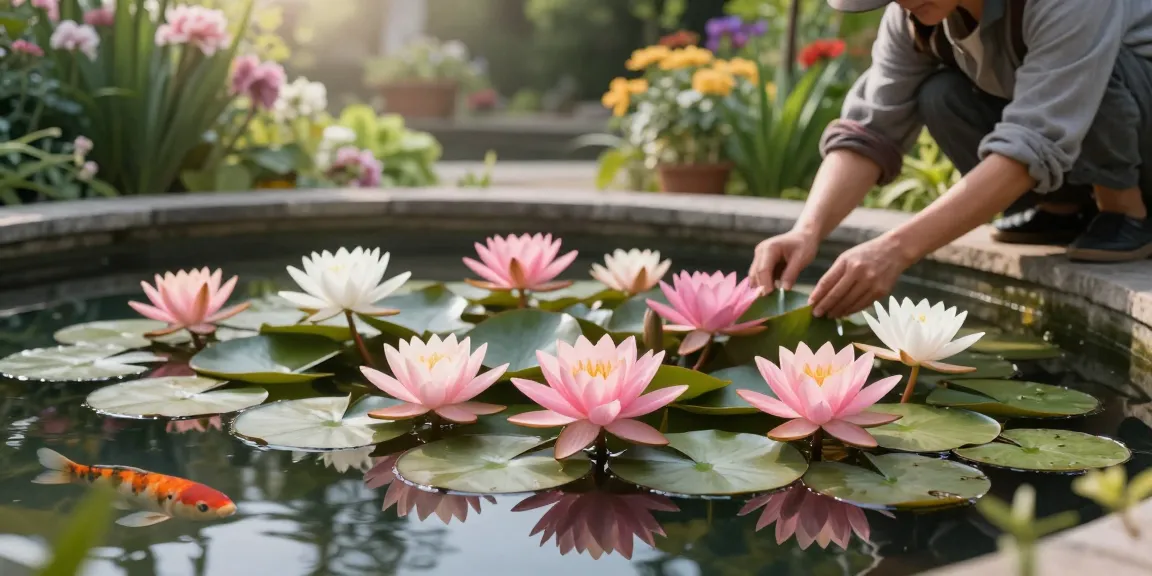
Pond cleaning is a vital aspect of maintaining the health and beauty of your aquatic environment. In Essex, where the local ecosystem can be rich and diverse, ensuring that your pond remains in optimal condition can greatly affect both its aesthetic appeal and its ecological balance. Regular maintenance not only extends the life of your pond but also promotes a thriving habitat for fish and plants. When exploring options, Pond Clean Essex provides comprehensive insights into effective pond management.
Why Regular Pond Maintenance Matters?
Regular pond maintenance is crucial for several reasons. Firstly, it prevents the build-up of harmful debris and sediment that can lead to poor water quality. This stagnation can create an unfavorable environment for aquatic life. Secondly, a clean pond is less likely to experience algal blooms, which can be detrimental to fish populations and overall water quality. By committing to a schedule of routine cleaning, pond owners can ensure a vibrant ecosystem and reduce the risk of costly repairs down the line.
Common Challenges in Pond Care
Pond care presents several challenges, particularly in regions like Essex where weather conditions can fluctuate dramatically. Common issues include:
- Algal growth due to excess nutrients
- Debris accumulation from seasonal changes
- Water level management
- Fish health monitoring
Each of these aspects requires ongoing attention and care to maintain a balanced aquatic ecosystem.
Benefits of a Clean Pond for Local Ecosystems
A clean pond not only enhances the aesthetic appeal of a property but also serves as a habitat for diverse wildlife. Healthy ponds support fish species, amphibians, and a variety of insects, all of which contribute to a balanced ecosystem. Furthermore, clean water promotes effective oxygenation, essential for the survival of aquatic organisms. This interconnectedness underscores the importance of regular cleaning and maintenance.
Identifying When Your Pond Needs Cleaning
Signs of Poor Water Quality
Detecting when your pond is in need of cleaning can sometimes be subtle. Look for these signs of poor water quality:
- Cloudy or murky water
- Visible algae blooms
- Strong odors emanating from the pond
- Unusual fluctuations in water temperature
Regularly testing your pond’s water quality can also help in identifying these issues before they escalate.
Monitoring Fish Health and Behavior
The health and behavior of your fish can be significant indicators of pond cleanliness. Symptoms of distress in fish, such as erratic swimming, gasping at the surface, or the presence of lesions, often signal underlying water quality issues. Keeping a close watch on your fish and promptly addressing any behavioral changes is essential.
Seasonal Considerations for Pond Maintenance
Each season brings unique challenges and responsibilities for pond owners. In spring, as temperatures rise, algae growth may become rampant, necessitating thorough cleaning. Summer requires regular water quality checks to ensure fish are not stressed by heat. Fall brings leaf accumulation, which can spoil the water, while winter might require ice management efforts to prevent oxygen depletion. Understanding these seasonal dynamics is crucial for effective pond care.
Tools and Techniques for Effective Pond Cleaning
Essential Equipment for Pond Care
Equipping yourself with the right tools is fundamental for maintaining your pond. Required equipment includes:
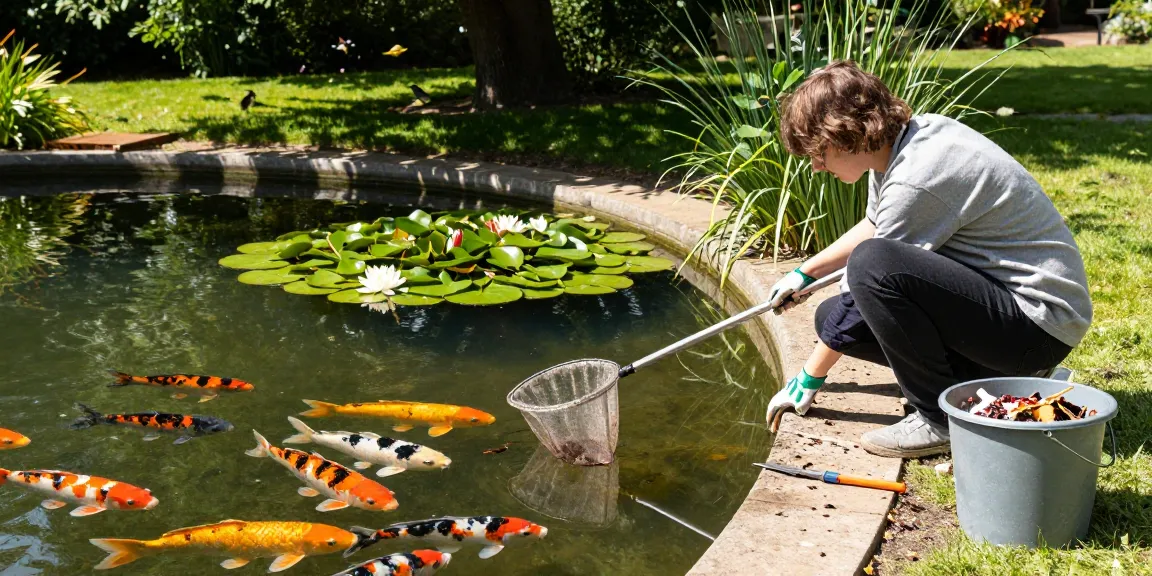
- Netting tools for debris removal
- Submersible pumps for draining
- Algae scrapers for cleaning surfaces
- Water testing kits to monitor quality
Investing in quality tools can simplify the cleaning process and enhance the effectiveness of your maintenance efforts.
Step-by-Step Guide to Cleaning Your Pond
Cleaning your pond doesn’t have to be overwhelming. Here’s a straightforward guide:
- Remove debris using nets or skimmers.
- Drain the pond partially to facilitate easier cleaning.
- Scrub the sides and bottom to eliminate algae and slime.
- Clean or replace filters if applicable.
- Refill the pond, ensuring water quality is optimal before reintroducing fish.
Following these steps can greatly enhance your pond’s health and longevity.
Best Practices for Sustainable Pond Maintenance
Sustainability should be at the forefront of your pond maintenance strategy. Implement practices such as:
- Using organic treatments to control algae and pests
- Creating buffer zones with native plants to filter runoff
- Avoiding overstocking fish, which can lead to nutrient overload
By adopting these measures, you contribute to preserving local biodiversity while enjoying the beauty of your pond.
Common Mistakes in Pond Cleaning and Their Solutions
Overlooking Filtration Systems
Many pond owners neglect the importance of filtration systems, leading to inadequate water quality. Ensure that your filtration system is appropriately sized for your pond and maintained regularly to avoid buildup and malfunction.
Neglecting Aquatic Plant Management
Aquatic plants play a crucial role in the ecological balance of your pond. They provide oxygen, habitat, and natural filtration. However, overgrowth can lead to oxygen depletion during decomposition. Regularly assess and manage plant populations to maintain balance.
Using Harmful Chemicals in Pond Treatments
Some pond owners resort to chemicals for quick fixes, which can harm aquatic life. It’s essential to opt for eco-friendly solutions, like beneficial bacteria or natural herbicides, to support a healthy pond ecosystem.
Future Trends in Pond Care for 2026 and Beyond
Innovative Filtration Technologies
As technology advances, so do solutions for pond cleaning. Expect to see more innovative filtration systems designed to provide efficient and sustainable water treatment, making maintenance easier and more effective than ever.
Eco-Friendly Pond Products and Solutions
The future of pond care will likely lean towards eco-friendly products that minimize environmental impact. From natural algae control agents to biodegradable pond cleaning kits, these solutions are designed to work in harmony with nature.
The Role of Community in Pond Preservation
Community engagement will play a critical role in pond preservation efforts. Local initiatives focused on education and collective action can help raise awareness about the importance of water bodies and promote sustainable practices among residents.
What are the benefits of cleaning my pond regularly?
Regular pond cleaning ensures optimal water quality, enhances the aesthetic appeal, and supports a healthy ecosystem, ultimately leading to a thriving pond environment.
How can I tell if my pond needs cleaning?
Signs of poor water quality, abnormal fish behavior, and noticeable debris accumulation are key indicators that your pond may require cleaning.
What tools do I need for pond cleaning?
Essential tools for effective pond cleaning include nets, pumps, scrapers, and water testing kits, which ensure a comprehensive approach to maintenance.
Are there eco-friendly options for pond maintenance?
Yes, options such as organic treatments and beneficial bacteria can effectively manage ponds without harming aquatic life, promoting a healthier ecosystem.
How can I maintain a healthy ecosystem in my pond?
Maintaining a healthy ecosystem requires regular cleaning, monitoring fish health, managing aquatic plants, and using sustainable practices to support biodiversity.