
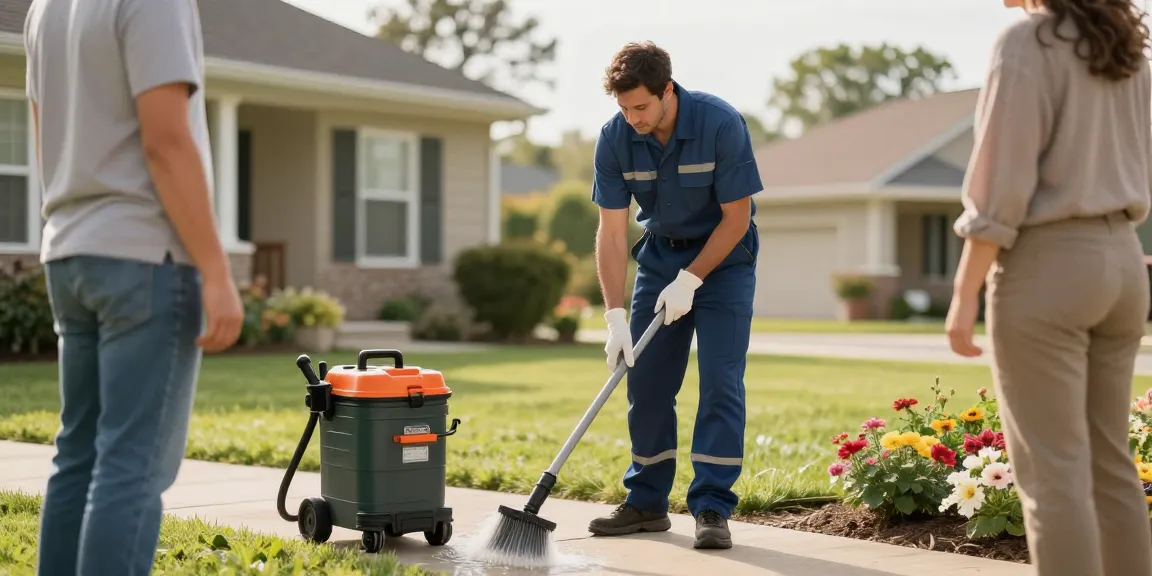
Understanding Septic Cleaning: What It Involves
Septic cleaning is an essential service for homeowners and property managers, ensuring that septic systems function efficiently and prevent costly repairs. A well-maintained septic system is critical for the health and safety of your household and the surrounding environment. This article will guide you through the intricacies of septic cleaning, empowering you with knowledge to make informed decisions.
What Is Septic Cleaning?
Septic cleaning, commonly referred to as septic tank pumping or maintenance, involves the removal of accumulated waste and sludge from your septic tank. This is crucial in preventing blockages and maintaining the overall health of your septic system. The process typically requires specialized equipment and trained professionals to ensure that waste materials are disposed of safely and in accordance with local regulations.
Importance of Regular Septic Maintenance
Regular septic cleaning is vital for extending the lifespan of your septic system. Neglecting this maintenance can lead to numerous problems such as system backups, unpleasant odors, and even costly repairs. Additionally, local health regulations often require septic systems to be maintained at specific intervals to prevent environmental contamination.
Signs Your Septic System Needs Attention
- Slow drains or frequent backups
- Unpleasant odors near the septic area
- Pooling water or soggy spots in your yard
- Gurgling sounds in plumbing
- Unusual green patches of grass near your septic system
Choosing the Right Local Septic Cleaning Provider
When it comes to selecting a provider for your septic cleaning needs, it’s essential to choose a reputable local company that understands the unique requirements of your area. Below are tips to help you find the best provider.
What to Look for in a Licensed Provider
A reliable septic cleaning service should be licensed, bonded, and insured. Licensing ensures that the company meets local and state regulations, while bonding offers you added protection in case of damage during the service. Insurance is crucial for safeguarding against potential accidents or incidents during the cleaning process.
Evaluating Customer Reviews and Testimonials
Before selecting a provider, take the time to read customer reviews and testimonials. Look for companies with a solid reputation for professional service, timely responses, and satisfactory results. Websites like Yelp or Google Reviews can provide insights into customer experiences, helping you make a more informed choice.
Why Local Experts Know the Area Best
Choosing a local septic cleaning company often means selecting professionals familiar with the specific regulations and environmental challenges in your area. Local providers are more likely to understand the soil conditions, weather influences, and common local plumbing issues that can affect septic systems.
Septic Cleaning Pricing: What to Expect
Average Costs for Septic Cleaning in Your Area
The cost of septic cleaning can vary widely depending on several factors, including tank size and local service rates. On average, homeowners can expect to pay between $250 and $500 for a pump-out, with larger tanks costing more. For insight into local pricing specific to your region, reviewing the rates of various providers is recommended.
Factors Influencing Septic Cleaning Prices
- Size of the septic tank
- Accessibility of the tank location
- Frequency of maintenance performed
- Emergency service requests
- Additional services like inspections or repair recommendations
How to Get Accurate Estimates from Providers
When seeking quotes for septic cleaning, it’s important to provide as much information as possible to receive accurate estimates. Factors to disclose include your tank’s size, age, and previous maintenance history. Additionally, ask for detailed breakdowns of costs to understand what you are being charged for.
Licensing, Insurance, and Compliance in Septic Services
Understanding the Necessary Licenses for Providers
In most areas, septic cleaning companies must hold specific licenses that demonstrate their compliance with local and state laws. Always verify that your chosen provider has up-to-date licenses, as this reflects their commitment to operating within the regulations established for septic systems.
The Importance of Insurance in Septic Cleaning
Insurance protects both the service provider and homeowner from unexpected liabilities during the service. It’s critical to select an insured provider, ensuring that you won’t be financially responsible for damages or accidents that may occur during the cleaning process.
Local Regulations Affecting Septic Cleaning Services
Local regulations can greatly influence how septic services are performed in your area. Understanding these regulations can help you ensure that your system is compliant and that your cleaning service follows best practices. It’s advisable to engage professionals who are well-versed in your local laws to avoid potential fines or legal issues.
Preparing for Your Septic Cleaning Appointment
What to Do Before the Technicians Arrive
Preparation is key to a successful septic cleaning appointment. Clear the area around your septic tank of any debris or obstructions to allow technicians easy access. Additionally, ensure that your house’s plumbing fixtures are accessible to prevent any delays in the service.
Common FAQs About Septic Cleaning Procedures
Many homeowners have questions regarding the septic cleaning process, including:
- How long does the cleaning take?
- Will I need to be home during the service?
- What happens to the waste after it is pumped out?
What to Expect During and After the Cleaning Process
During the cleaning process, professionals will pump out the tank, inspecting it for any signs of damage or issues. For more information, Miltonsepticpumping.com offers valuable insights. Afterward, they will provide you with a report detailing the condition of your septic system. It’s important to follow their advice on any additional maintenance or repairs that may be necessary for optimal performance.