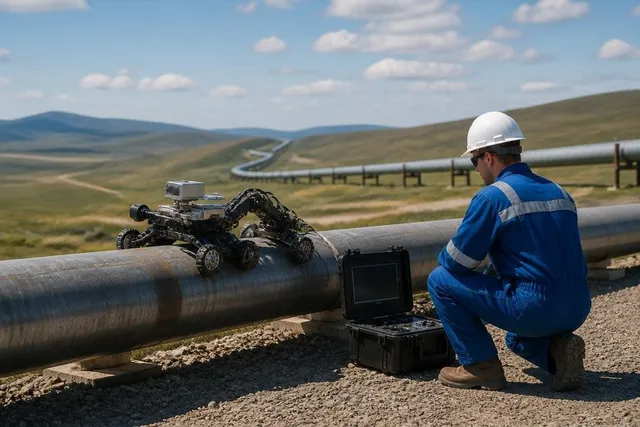

Understanding Agriculture WebSocket Stream API Basics
The agriculture WebSocket stream API is revolutionizing how data is collected and utilized in the agricultural sector. By providing real-time access to essential data, this technology serves as a bridge between farmers, traders, and consumers, driving informed decision-making processes. As the industry evolves, the need for rapid, accurate information becomes increasingly crucial, affecting everything from crop yields to market prices. When exploring options, agriculture WebSocket stream API provides comprehensive insights into market dynamics that can enhance operational efficiency.
What is an Agriculture WebSocket Stream API?
A WebSocket stream API in agriculture grants users the ability to maintain a continuous, open connection with a server, allowing for the instantaneous exchange of agricultural data. This connection differs from traditional APIs, which require multiple HTTP requests and responses. Instead, once a WebSocket connection is established, data can flow in real-time, enabling applications to respond more swiftly to changing conditions, such as market trends or environmental factors.
Benefits of Using WebSocket Stream APIs for Real-Time Data
Implementing a WebSocket stream API in agriculture offers numerous advantages:
- Immediate Data Access: Farmers and analysts can obtain live updates on commodity prices, weather conditions, and pest alerts.
- Reduced Latency: WebSocket technology provides low-latency connections, ensuring that data transmission occurs as swiftly as possible.
- Efficient Resource Usage: Unlike traditional polling methods that consume more server resources, WebSockets operate on a push model, leading to more efficient data handling.
- Scalability: As the demand for agricultural data grows, WebSocket APIs can easily scale to accommodate more connections without sacrificing performance.
Key Features of Agriculture WebSocket Stream APIs
When evaluating an agriculture WebSocket stream API, several key features stand out:
- Multi-Channel Support: The ability to subscribe to multiple data streams (e.g., crop prices, environmental metrics) at once.
- Robust Data Types: Support for diverse data formats such as JSON and XML, catering to different application needs.
- Real-Time Notifications: Instant alerts for critical updates allowing producers to act quickly on emerging trends or events.
- Historical Data Access: The ability to analyze past trends alongside live data enhances predictive capabilities.
Implementing the Agriculture WebSocket Stream API
Integrating a WebSocket API into an existing system can be daunting, but with the right approach, it can be streamlined. Proper implementation involves understanding the architecture, protocols, and potential roadblocks.
Step-by-Step Guide to Integrating the API
- Assess Your Requirements: Begin by defining what data you need and how frequently you'll require updates.
- Select a WebSocket Provider: Research available WebSocket API providers specializing in agriculture data, taking note of latency and data coverage.
- Setup Your Environment: Prepare your server and application to establish a WebSocket connection, typically using libraries like Socket.IO or native WebSocket implementations.
- Establish the Connection: Write the code to open a connection to the WebSocket server, ensuring it handles error management and reconnections.
- Subscribe to Data Streams: Use API endpoints to subscribe to the specific data streams that are relevant to your agricultural application.
- Test and Optimize: Run tests to ensure that data is being received correctly and optimize your code for performance and error handling.
Common Challenges When Implementing the API
While the integration process may be straightforward, developers may encounter several common challenges:
- Connection Reliability: Maintaining a stable connection can be difficult in areas with poor internet connectivity.
- Data Overload: Receiving large volumes of data can overwhelm systems if not managed correctly.
- Security Concerns: Ensuring that the data exchanged is secure to prevent access by unauthorized parties.
Best Practices for Successful Integration
To ensure smooth implementation of the agriculture WebSocket stream API, consider the following best practices:
- Implement Proper Error Handling: Always include error management routines to handle disconnections or data issues.
- Optimize Data Payloads: Limit the amount of data sent through the WebSocket to only what is necessary.
- Thoroughly Test: Perform extensive testing to identify and resolve potential bugs before going live.
- Focus on Documentation: Well-documented code and processes will make future updates and maintenance significantly easier.
Real-World Applications and Use Cases
The applications of agriculture WebSocket stream APIs are vast, illustrating their versatility in enhancing productivity and decision-making.
How Developers Use Agriculture WebSocket Stream APIs
Developers are leveraging these APIs to create innovative tools that enhance monitoring and data analysis in agriculture:
- Trading Applications: Farmers and traders utilize live market data to make instantaneous decisions on selling or buying commodities.
- Yield Monitoring Tools: APIs track and analyze crop health data in real-time, alerting users to issues that may affect yields.
- Weather Forecasting Apps: Integrating real-time weather updates allows for better planning and responsiveness to adverse conditions.
Case Studies of Successful Implementations
Several real-world examples showcase the effectiveness of agriculture WebSocket stream APIs:
- Farm Management Software: An agricultural tech company successfully integrated a WebSocket API into its platform, enabling farmers to receive live weather and market updates, resulting in improved crop management and increased profits.
- Agricultural Trading Platform: A trading platform utilized WebSocket technology for real-time updates on commodity prices, enabling quick decision-making that led to better trading outcomes.
Emerging Trends in API Usage for Agriculture
As technology continues to advance, the agricultural sector is witnessing new trends impacting how APIs are utilized:
- Data-Driven Decision Making: With the rise of big data analytics, farmers are increasingly reliant on API integrations to make data-backed decisions.
- Precision Agriculture: Tools that utilize real-time data are becoming integral to precision farming techniques, optimizing resource use and improving yields.
- Machine Learning Integration: More applications are implementing machine learning algorithms to analyze trends and predict outcomes based on real-time data.
Performance Metrics and Monitoring
As with any application, monitoring the performance of your agriculture WebSocket stream API is critical for ensuring its reliability and efficacy.
Key Performance Indicators for WebSocket Stream APIs
When assessing the effectiveness of a WebSocket API, focus on these key performance indicators (KPIs):
- Connection Latency: Measure the time taken to establish and maintain a connection.
- Data Throughput: Analyze the volume of data transmitted over a given period to ensure it meets your application needs.
- Error Rate: Track the frequency of errors or dropped connections to identify anomalies.
- Response Times: Monitor how quickly data is received after the request is made to evaluate performance.
Tools and Techniques for Effective Monitoring
Utilize various tools and methods to keep your WebSocket API performance in check:
- Performance Monitoring Tools: Use software solutions like Grafana or Prometheus to visualize and track the API’s performance metrics.
- Logging and Analytics: Implement logging systems to capture real-time data flow and analyze for performance bottlenecks.
- User Feedback: Collect user feedback to identify any inconsistencies or issues impacting performance.
How to Analyze API Performance Data
Once data is collected, proper analysis is crucial. Focus on:
- Trend Analysis: Examine performance trends over time to identify patterns that signal potential issues.
- Comparative Analysis: Compare performance data against industry benchmarks to gauge your API's effectiveness.
- Root Cause Analysis: When issues arise, conduct thorough investigations to determine the cause and implement necessary improvements.
The Future of Agriculture WebSocket Stream APIs
As we look ahead, the landscape for agriculture WebSocket stream APIs holds immense potential for transformation and growth.
Predictions for 2026 and Beyond
The future is promising, with several predictions guiding the evolution of WebSocket technologies in agriculture:
- Increased Adoption: More agricultural stakeholders will embrace WebSocket technology as real-time data becomes a cornerstone of modern farming.
- Enhanced AI Integration: The integration of artificial intelligence will streamline decision-making processes, leading to smarter farming practices.
- Interconnectivity: APIs will increasingly communicate with one another, creating a unified data ecosystem that enhances operational efficiency.
Emerging Technologies Impacting API Development
Technological advancements will continue to play a significant role in the evolution of WebSocket stream APIs:
- Blockchain Technology: This could enhance the security and transparency of data exchange, particularly in trading applications.
- 5G Connectivity: The rollout of 5G will support faster and more reliable data transmission, further improving real-time communication capabilities.
Expert Insights on Future Trends
Industry experts predict that the ongoing development of agriculture WebSocket stream APIs will focus on:
- Improved User Experience: Enhancing the usability of APIs to facilitate easier integration and smoother user interactions.
- Greater Customization: Allowing users to tailor data streams to specific needs, ensuring relevance and efficiency.
What is an Agriculture WebSocket Stream API used for?
It is utilized for providing real-time data streams relevant to agriculture, such as market prices, weather updates, and crop health alerts.
How can I integrate a WebSocket API into my application?
Integration typically involves assessing your needs, selecting an API provider, establishing a connection, and subscribing to data streams.
What are the benefits of real-time data in agriculture?
Real-time data allows for more accurate decision-making, timely responses to market changes, and improved overall farm management.
What monitoring tools work best with WebSocket APIs?
Tools like Grafana, Prometheus, and third-party analytics platforms are effective for monitoring WebSocket API performance.
How do performance metrics impact API usage?
Performance metrics provide insights into the reliability and efficiency of the API, ensuring optimal operation and user satisfaction.