
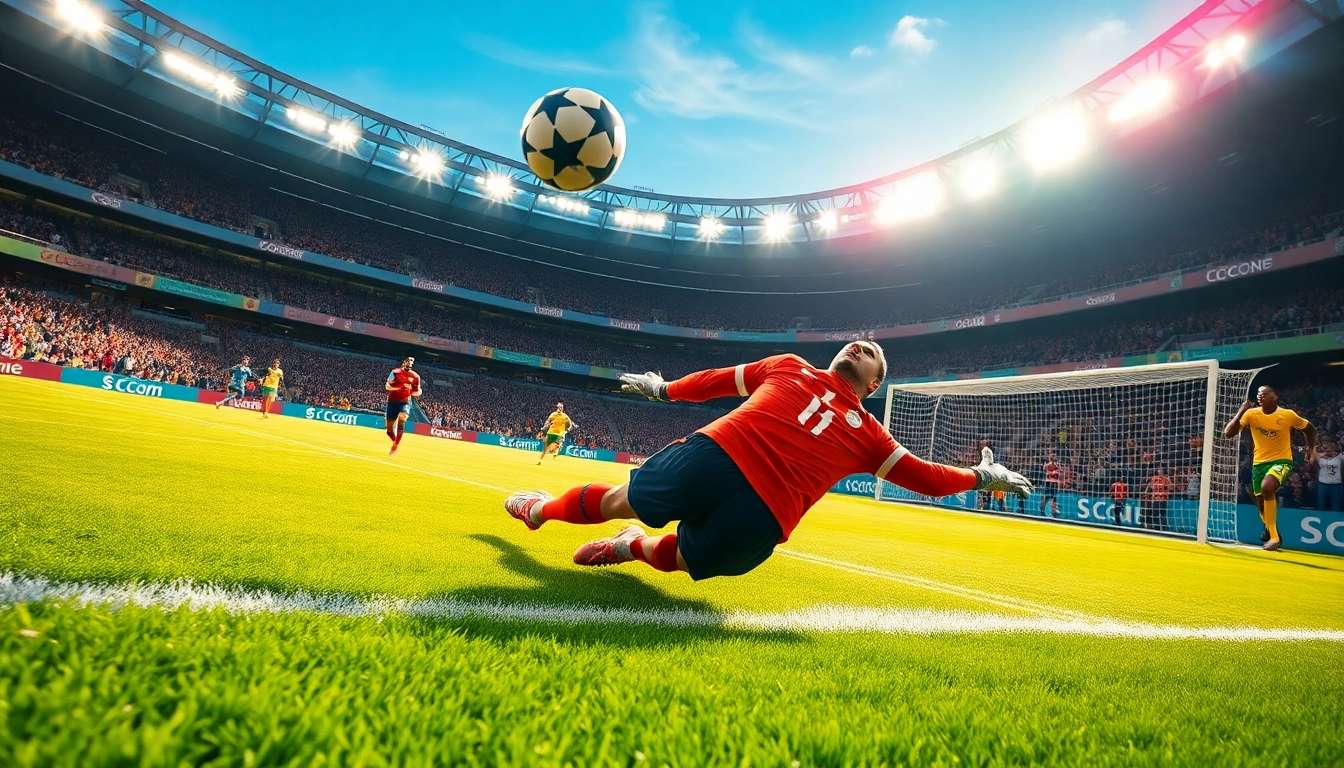
Understanding ผลบอลยูฟ่าแชมป์เปียนลีก
The ผลบอลยูฟ่าแชมป์เปียนลีก represents the pinnacle of club football, bringing together the best teams from across Europe pursuant to their domestic leagues. This prestigious tournament not only showcases elite talent but also encapsulates the rich history and drama of the sport. From unforgettable matches to iconic players, the Чемпионат (Championship) embodies a global spectacle that transcends borders and fandoms.
History of the Tournament
Established in 1955, the UEFA Champions League (UCL) has evolved from a simple knockout competition, originally known as the European Cup, into a complex tournament featuring group stages and knockout rounds. The inaugural tournament saw teams like Real Madrid dominate the early years, capturing the first five titles. Over the decades, the format has been refined, allowing more teams to participate while maintaining a high standard of competition among the clubs.
One of the historical milestones came in 1992 when the European Cup was rebranded to the UEFA Champions League, introducing the group stage format, increasing the total number of matches, and allowing clubs from smaller leagues to gain entrance based on their domestic successes. This reform provided more excitement and opportunities for emerging clubs to challenge traditionally powerful teams.
Significant Teams and Players
Throughout its history, several teams have left an indelible mark on the tournament. Clubs like Real Madrid, AC Milan, Liverpool, and Bayern Munich are often associated with storied legacies in the UCL. Real Madrid leads the charge with a record number of titles, showcasing their dominance in European football.
In terms of players, legends such as Lionel Messi, Cristiano Ronaldo, and Zinedine Zidane not only dazzled fans but also consistently elevated their teams' performance, often defining key moments in final matches. The individual brilliance and team contributions from these stars have created unforgettable narratives that fans recount for generations.
Key Rules and Regulations
The UEFA Champions League operates under several regulations that dictate team qualification, match protocols, and conduct. Teams qualify for the tournament based on their performance in their respective national leagues, with allocation determined by UEFA coefficient rankings.
In terms of match structure, each tie is played over two legs—an initial match at one team's venue and a return leg at their opponent's stadium. The aggregate score determines the winner. If it remains tied, matches proceed to extra time and, if necessary, penalties. This two-legged format not only adds drama but also rewards tactical prowess and adaptability.
Match Strategies and Tactics
Understanding the intricacies of match strategies within the UCL can provide insights into the competitive landscape of the tournament. Coaches and teams utilize various tactics to maximize their potential and exploit weaknesses in opponents.
Offensive Techniques
Offensively, teams in the Champions League often rely on a blend of rapid counter-attacks, intricate passing plays, and set-piece executions. For example, teams like Manchester City have excelled in possession-based football, meticulously controlling the tempo and utilizing overlapping full-backs to create goal-scoring opportunities.
Additionally, offensive formations such as the 4-3-3 or 3-4-3 allow flexibility in attacking dynamics, facilitating multiple attacking outlets and pressuring opponents defensively. Learning to exploit transitional phases where defenses are caught off-guard can often prove decisive in such high-stakes matches.
Defensive Strategies
Defensively, maintaining a solid structure is paramount. Teams often employ formations that bolster resilience against powerful attacks, using defensive midfielders to shield the backline and ensure stability. The implementation of pressing strategies can disrupt the opposition’s build-up, forcing errors that lead to advantageous transitions.
For instance, Atletico Madrid under Diego Simeone is renowned for their disciplined defensive organization and counter-attacking prowess, showcasing how effective defensive strategies can neutralize even the most potent attacks.
Set-piece Plays
Set-pieces are often decisive in tightly contested matches. Teams meticulously plan for both attacking and defending set-pieces, recognizing their potential to change the course of a game. Training sessions focused on corner kicks and free-kicks create distinct routines that can catch opponents off guard.
Moreover, employing analytics to assess opponents' weaknesses during set-piece scenarios enables teams to innovate their approaches continuously, leveraging height, movement, and strategic positioning to convert these opportunities into goals.
Analyzing Recent Matches
Recent matches in the Champions League offer a treasure trove of insights for fans and analysts alike. By dissecting key moments and performances, one can glean patterns and trends that define the present state of competition.
Match Highlights Reflection
Each match of the UCL presents countless highlights that encapsulate the essence of competition. From dramatic last-minute goals to heroic defensive stands, these key moments are what make the Champions League particularly thrilling.
Key Player Performances
Identifying standout player performances can shine a light on tactical success. For example, an underdog team that succeeds largely due to an exceptional goalkeeper can provide an alternate narrative to tournament expectations, indicating the significant impact of individual brilliance within a cohesive unit.
Statistical Breakdown
Employing statistics in the analysis of recent matches enables a granular view of performance metrics. Metrics such as possession percentages, pass completion rates, and shots on target provide aesthetic insights that contribute to understanding match dynamics.
These metrics serve not only to highlight successful strategies deployed but also to reflect modifications needed for the future, creating a data-driven framework for improving team performance.
Fan Engagement and Community Impact
The Champions League isn't solely about the play on the pitch; the vibrant fan culture adds depth to the tournament. The emotional connections fostered by passionate supporters can profoundly affect team morale and influence game outcomes.
Fan Activities and Events
Across Europe, fan activities range from organized viewings to pre-match parties that heighten the sense of community among supporters. These activities provide platforms for fans to unite and celebrate their clubs, reinforcing their loyalty through spirited engagement.
Moreover, clubs often host fans for meet-and-greet events, allowing them to interact with players and management, further solidifying the emotional investment in their clubs.
Community Programs Associated
Many clubs leverage their visibility in the Champions League to undertake community outreach efforts. Programs such as youth academies, health initiatives, and educational workshops underscore the importance of contributing positively to local communities, utilizing football as a vehicle for social change.
Social Media Engagement
The advent of social media has revolutionized fan interaction with clubs. Teams frequently use platforms like Twitter, Instagram, and Facebook to engage fans through real-time updates, exclusive content, and interactive campaigns. This digital connectivity fosters a global community that transcends geographical boundaries.
Future of the Tournament
As the UCL continues to evolve, several trends indicate the potential future landscape of the tournament. These trends encompass emerging teams, technological advancements, and predictive analytics for upcoming seasons.
Emerging Teams to Watch
With the competitive nature of domestic leagues, several clubs are poised to emerge as significant challengers in the coming seasons, thanks to strategic investments and youth development. Watching these teams can provide excitement and unpredictability to the tournament fabric.
Technological Advancements in Play
Technological advancements such as VAR (Video Assistant Referee) and performance analytics are changing how the game is played and officiated. These tools assist in ensuring fair play and provide coaches with the insights needed for tactical modifications during the tournament.
Predictions for Upcoming Seasons
Analysts predict that the balance of power may shift as emerging teams gain strength and establish themselves on international stages. This shakeup could invigorate competition, ensuring that the UEFA Champions League retains its reputation as the most prestigious football tournament in the world.
FAQs
What is the format of the UEFA Champions League?
The UEFA Champions League features a group stage followed by knockout rounds, where teams compete in home and away matches to advance to the finals.
How do teams qualify for the Champions League?
Teams qualify based on their performance in their domestic leagues and, in some cases, through playoff matches sanctioned by UEFA.
When does the Champions League take place?
The Champions League season typically starts in the summer with qualifying rounds and concludes with the final match in late May.
Why is the Champions League important?
The tournament is viewed as the pinnacle of club football, showcasing the best teams and players while creating massive worldwide interest and viewership.
What are the key statistics for analyzing matches?
Key statistics include possession rates, shot accuracy, pass completion percentages, and player performances to evaluate effectiveness on the pitch.