
What is Logistics? A Comprehensive Overview
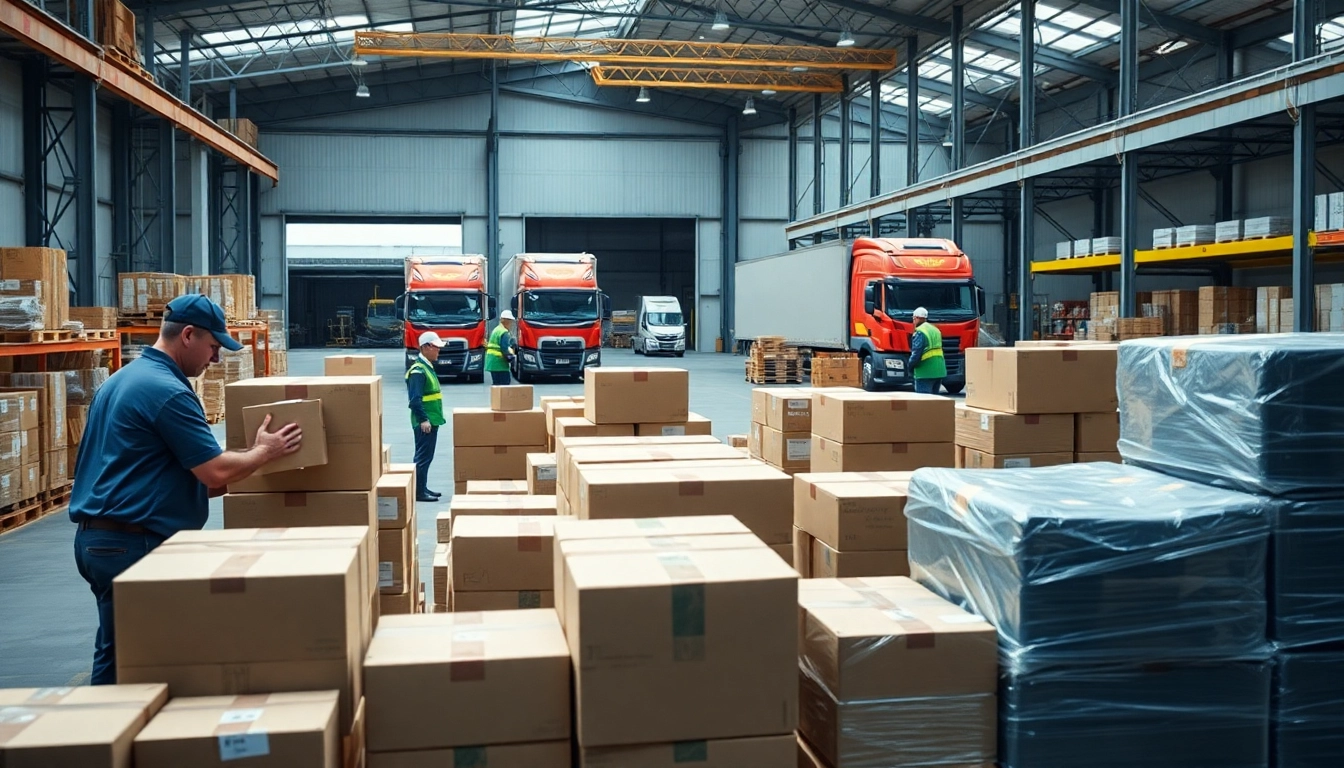
Logistics plays a critical role in the operational success of any business, encompassing the intricate processes involved in the movement and storage of goods, information, and services. For many organizations, the quest for efficiency and cost-effectiveness within logistics is paramount. Understanding the dynamics of logistics is the first step towards optimizing supply chains and enhancing customer satisfaction. Essentially, logistics is the part of supply chain management that deals with the efficient forward and reverse flow of goods and related information. This article aims to dissect and analyze the various components, strategies, and future trends in logistics.
Defining Logistics: Core Concepts
At its core, logistics can be defined as the planning, implementation, and control of the efficient flow and storage of goods, services, and related information from the point of origin to the point of consumption. This definition encompasses various functionalities including transportation, warehousing, inventory management, and even customer service. Understanding these core components is crucial to navigating the complexities involved in logistics.
The Importance of Logistics in Supply Chain Management
The significance of logistics in supply chain management cannot be overstated. Efficient logistics ensure that products are delivered on time, which is vital for customer satisfaction. Furthermore, logistics contributes to cost savings and maximizes resource utilization. By connecting suppliers, manufacturers, distributors, and retailers through well-organized logistics processes, businesses can reduce lead times and improve inventory management. Effective logistics ultimately leads to improved operational performance and a strong competitive edge in the marketplace.
Types of Logistics: A Breakdown of Categories
Logistics can be broadly categorized into several types, each serving distinct functions:
- Inbound Logistics: This involves the transportation of goods and materials into a business, managing relationships with suppliers, and overseeing the entire supply chain from raw materials to production.
- Outbound Logistics: This pertains to the processes involved in delivering finished goods to the customers, including order fulfillment, shipping, and distribution.
- Reverse Logistics: This is the flow of goods back from customers to sellers for returns, repairs, refurbishing, or recycling.
- Third-party Logistics (3PL): This involves outsourcing logistics and distribution services to a third party, enabling companies to focus on their core competencies while benefiting from specialized logistics expertise.
- Military Logistics: This special category involves the management of resources and equipment for military operations, highlighting logistical strategies in high-stakes environments.
Key Components of Effective Logistics Management
Transportation: Choosing the Right Mode
Transportation is a critical logistics component that directly impacts costs and delivery times. Selecting the appropriate mode of transportation—be it road, rail, air, or sea—depends on several factors including the nature of the goods, distance, urgency, and cost constraints. Understanding the advantages and disadvantages of each transportation method can help organizations make informed decisions. For instance, while air freight is faster, it often comes with higher costs compared to shipping by sea.
Warehousing: Optimizing Storage Solutions
Effective warehousing is vital for managing inventory and ensuring product availability. It involves the proper storage of goods to facilitate easy access and minimize handling costs. The use of technology, such as warehouse management systems (WMS), can significantly enhance storage efficiency. Strategies such as cross-docking and just-in-time (JIT) inventory management can help reduce warehousing costs while ensuring that stock levels align with customer demand.
Inventory Management: Balancing Supply and Demand
Inventory management is about maintaining the right balance between supply and demand; storing too much stock can lead to increased holding costs, while too little stock can result in lost sales. Employing techniques like Economic Order Quantity (EOQ) and ABC analysis can help organizations optimize their inventory levels. Advanced analytics and forecasting models can also play a crucial role in anticipating demand and making data-driven purchasing decisions.
Logistics Strategies for Business Success
Streamlining Operations with Technology
In today's digital age, technology plays a pivotal role in logistics efficiency. Utilizing automation tools such as transportation management systems (TMS), electronic data interchange (EDI), and real-time tracking applications can streamline operations and improve communication. Implementing IoT devices and AI can also enhance data collection and analysis, leading to better decision-making and predictive capabilities.
Cost-Reduction Techniques in Logistics
To maintain competitiveness, businesses must continuously seek cost-reduction strategies within their logistics operations. Some effective methods include consolidating shipments, improving routing and scheduling, negotiating better freight rates, and reducing waste in the supply chain. Additionally, implementing lean logistics principles can help eliminate inefficiencies and reduce overall operational costs.
Sustainability Practices in Logistics
As businesses become more conscious of their environmental impact, sustainability has emerged as a key focus in logistics. Practices such as optimizing transportation routes to reduce fuel consumption, using eco-friendly packaging, and improving energy efficiency in warehouses can lead to substantial environmental benefits and cost savings. Furthermore, adopting sustainable practices can enhance brand reputation and meet growing consumer demand for green business operations.
Challenges in the Logistics Sector and Solutions
Common Logistics Challenges Faced by Businesses
Despite its critical importance, logistics is fraught with challenges. Some common issues include supply chain disruptions, fluctuating fuel costs, regulatory compliance, and technological integration. Additionally, the rapid pace of global trade means that businesses must be agile and adept at navigating changes in demand, tariffs, and trade agreements.
Strategies to Overcome Logistics Hurdles
To mitigate potential disruptions, businesses should establish strong relationships with suppliers, maintain a diversified supplier base, and invest in contingency planning. Implementing risk management frameworks can help firms identify vulnerabilities and develop strategies to address them proactively. Additionally, regularly reviewing and updating logistics strategies can ensure that they remain effective amidst changing market conditions.
Tracking Metrics: Measuring Success in Logistics
Measuring logistics performance is essential for continuous improvement. Key performance indicators (KPIs) such as order accuracy rates, on-time delivery percentage, inventory turnover ratios, and shipping costs per unit can provide valuable insights into the efficiency of logistics operations. Regular monitoring of these metrics allows companies to identify areas for improvement and implement necessary adjustments to enhance performance.
Future Trends in Logistics
The Impact of Automation on Logistics Operations
Automation is set to revolutionize logistics operations, with advancements such as automated warehouses and autonomous vehicles gaining traction. By reducing manual labor and minimizing human error, automation can significantly increase efficiency and productivity. However, organizations will need to navigate the challenges of implementing these technologies, including workforce training and cybersecurity concerns.
Emerging Technologies Shaping the Future of Logistics
Technological advancements continue to shape the logistics landscape. Innovations such as blockchain for supply chain transparency, AI and machine learning for predictive analytics, and robotics for warehouse operations are gaining momentum. These technologies not only improve operational efficiency but also enhance customer experience by providing real-time information and increasing accuracy and reliability.
Global Trends and Their Influence on Local Logistics
As globalization continues to evolve, logistics strategies must adapt to accommodate new challenges and opportunities. Emerging markets, changes in trade regulations, and evolving consumer preferences all impact logistics planning. Companies need to stay informed and open to adapting their logistics strategies to align with global trends, ensuring they remain competitive in an increasingly interconnected world.