
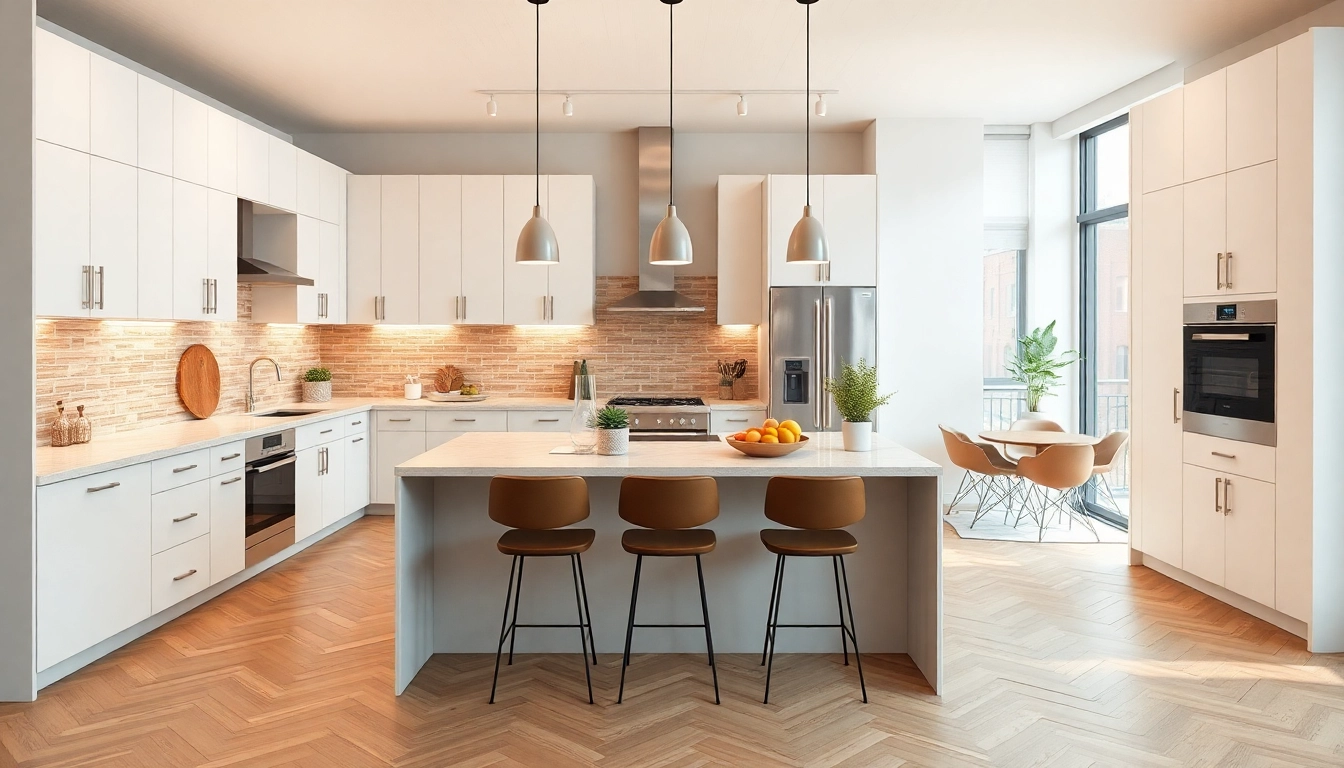
Understanding Kitchen Remodeling
Kitchen remodeling is not just about updating cabinets and countertops; it’s a transformative process that redefines one of the most essential spaces in your home. Whether you want to enhance your kitchen's aesthetic appeal or improve its functionality, understanding the nuances of kitchen remodeling can help you achieve remarkable results. By strategically planning your remodel, you can create a kitchen that meets your needs and reflects your personal style. For comprehensive resources on how to navigate this journey, explore various kitchen remodeling insights that cater to your unique requirements.
Benefits of Kitchen Remodeling
The benefits of kitchen remodeling extend far beyond the immediate visual improvements. Remodeling your kitchen can significantly enhance the functionality, aesthetics, and value of your home.
- Increased Home Value: A well-executed kitchen remodel can lead to increased property value, yielding a substantial return on investment.
- Improved Energy Efficiency: Upgrading to energy-efficient appliances reduces utility bills and decreases your carbon footprint.
- Enhanced Functionality: A remodel allows for better use of space, improving the functionality of your kitchen with innovative designs and storage solutions.
- Personalized Style: A remodel gives you the opportunity to tailor the kitchen to your exact tastes with custom layouts and finishes.
- Safety Improvements: Updating old appliances and fixtures enhances safety and reduces the risk of accidents.
Common Kitchen Remodeling Objectives
Every kitchen remodel is driven by specific objectives that can vary significantly from one homeowner to another. Here are some common goals:
- Modernization: Integrating contemporary features and technology for a fresh, updated look.
- Increased Space: Creating an open concept or expanding square footage to accommodate gatherings.
- Enhanced Storage: Adding cabinetry, pantries, or innovative storage solutions to combat clutter.
- Upgraded Style: Changing the overall aesthetic to create a cohesive and inviting atmosphere.
- Improved Layout: Reconfiguring the kitchen’s layout for optimized accessibility and usability.
Identifying Your Style Preferences
Your personal style should significantly influence the design of your kitchen. Begin by identifying the aesthetic elements you truly appreciate. Consider collecting inspiration from magazines, online platforms, and design websites. Here are a few popular kitchen styles:
- Traditional: Characterized by classic details, rich woods, and warm colors.
- Modern: Focuses on minimalist design, clean lines, and sleek surfaces.
- Rustic: Emphasizes natural materials, often featuring a cozy, farmhouse feel.
- Transitional: Blends traditional and modern styles for a balanced look.
- Industrial: Incorporates raw materials and a factory-inspired edge.
Planning Your Kitchen Remodeling Project
Planning your kitchen remodeling project involves a detailed process that includes budgeting, design selections, and establishing a timeframe. Preparing diligently can make the remodeling experience smoother and more successful.
Setting a Realistic Budget
Establishing a realistic budget is the cornerstone of planning your kitchen remodeling project. Consider these steps to create an effective budgeting approach:
- Determine Your Overall Budget: Evaluate your finances and decide how much you are willing to spend.
- Prioritize Needs vs. Wants: Distinguish between essential updates and desired luxury items.
- Allocate Funds Wisely: Distribute your budget across design, materials, labor, and contingency funds for unexpected costs.
- Research Price Estimates: Gather quotes and estimates from various sources to gain a clearer financial picture.
Choosing the Right Design Elements
Design elements play a critical role in achieving your ideal kitchen. Here's a breakdown of key components to consider when selecting design elements:
- Layout: Choose from popular kitchen layouts such as L-shaped, U-shaped, or galley layouts based on your space and functional needs.
- Cabinetry Style: Select cabinetry that complements your style, whether it be contemporary, classic, or custom-built.
- Color Schemes: Choose colors that create the desired mood; light colors can make a space feel larger, while darker hues can provide warmth.
- Accessorizing: Small details like hardware, lighting, and backsplashes dramatically impact the overall design; select thoughtfully.
Timeframe for Kitchen Remodeling
The duration of kitchen remodeling projects can vary greatly based on complexity, size, and scope. Here's how to effectively plan the timeframe:
- Scope of Work: A minor facelift may take a few weeks, while extensive renovations can last several months.
- Preparation Time: Allow additional time for design discussions, permit applications, and material selection.
- Scheduling Contractors: Coordinate timelines with all involved contractors, ensuring communication is clear from the start.
Selecting Materials for Kitchen Remodeling
The materials you choose for your kitchen refurbishment will significantly affect both aesthetics and functionality. Below is a comprehensive guide to commonly selected materials.
Cabinetry Options
Cabinets form the backbone of the kitchen’s design. When choosing cabinetry, consider:
- Materials: Solid wood, plywood, MDF, or particleboard all have advantages—choose based on durability, cost, and aesthetics.
- Finish: Options range from painted finishes to stained woods; consider using non-toxic or eco-friendly finishes.
- Style: Select between various styles such as shaker, raised panel, or flat-front for different looks.
Countertops and Backsplashes
Countertops and backsplashes are critical focal points in kitchen design—choose wisely:
- Popular Countertop Materials: Granite, quartz, marble, and laminate provide diverse aesthetics and durability.
- Backsplash Selection: Subway tiles, mosaics, and glass can add texture and color—consider complementing your countertops.
- Maintenance Considerations: Opt for materials that offer easy cleaning and durability, especially if you cook frequently.
Flooring Choices
Flooring impacts both practical functionality and style. Evaluate these popular kitchen flooring options:
- Hardwood: Timeless and beautiful; however, it requires considerable maintenance and care.
- Tile: Highly durable, with endless design choices; tile can endure heavy foot traffic.
- Vinyl: Budget-friendly and versatile, vinyl can mimic real wood or tile without the significant costs.
- Laminate: An alternative that resembles wood or stone at a lower cost; ensure you select high-quality options for longevity.
Hiring Professionals for Kitchen Remodeling
Choosing the right professionals for your kitchen remodeling project can alleviate stress and lead to superior outcomes. In this section, we’ll delve into the aspects of hiring the right experts.
Finding the Right Contractor
The contractor you employ will manage your remodel from start to finish. Follow these tips to find the right fit:
- Research Backgrounds: Investigate prospective contractors’ experience, reviews, and previous projects.
- Request References: Speak with past clients about their experiences and satisfaction with the final result.
- Review Estimations: Get multiple quotes to compare not only prices but also the scope of work included in each.
- Licensing and Insurance: Ensure your contractor is properly licensed and insured to protect yourself financially.
Working with Designers
A designer can provide invaluable insights and help transform your ideas into reality. Here’s how to effectively collaborate:
- Share Your Vision: Be clear about your goals, preferences, and budget with the designer to align your objectives.
- Stay Involved: Regular communication can ensure the design stays true to your vision while providing room for professional guidance.
- Expect Feedback: Be receptive to suggestions from your designer as they have the expertise to enhance the project.
Understanding Project Management Roles
Understanding the roles of everyone involved in your remodeling project can create a more fluid workflow:
- Project Manager: Manages timelines, budgets, and oversees the construction process.
- Contractor: Hires subcontractors and ensures quality workmanship and compliance with building codes.
- Designer: Provides layout and aesthetics expertise, guiding choices in materials and style.
Measuring Success After Kitchen Remodeling
After your kitchen remodel, evaluating the success of the project is crucial. Assessing various elements of functionality and aesthetics ensures that your remodel meets your expectations.
Evaluating the Functional Flow of the Space
To determine if your remodel is effective, assess how well the kitchen functions for your needs:
- Accessibility: Ensure that everything, including appliances and storage, is easily accessible during meal prep.
- Workflow: Check if your kitchen’s layout supports the flow of cooking, serving, and cleaning efficiently.
- Storage Functionality: Evaluate if your storage solutions accommodate your kitchenware and groceries adequately.
Assessing Aesthetic Improvements
The appearance of your kitchen greatly contributes to enjoyment and satisfaction. Consider these factors:
- Cohesiveness: Ensure that all design elements work harmoniously, creating a unified look.
- Visual Appeal: Assess the colors, materials, and finishes in their natural light to gauge their effectiveness.
- Personal Satisfaction: Reflect on your feelings about the space—does it feel like home?
Gathering Feedback and Making Adjustments
Encouraging feedback from family and friends can provide additional perspectives on your remodel. Here are methods to gather insights:
- Host a Gathering: Invite guests over to assess how well the space functions with multiple users.
- Consider User Experiences: Ask family members about their experiences in the remodeled kitchen and any areas for improvement.
- Plan for Adjustments: Don’t hesitate to make minor changes after evaluating functionality and satisfaction—remodels often evolve post-completion.
Frequently Asked Questions
What is the average cost of a kitchen remodel?
The average cost can widely vary, typically ranging from $15,000 to $50,000 or more, depending on the scope and materials chosen.
How long does a kitchen remodel usually take?
The timeframe can vary; minor remodels take about 4-6 weeks, while significant transformations may last 10-12 weeks or longer.
Can I remodel my kitchen on a tight budget?
Yes, many budget-friendly options exist for cabinetry, appliances, and decor that can still achieve an updated look within financial constraints.
Is it necessary to hire a designer for my remodel?
While not mandatory, working with a designer can enhance your project, especially for complex designs and maximizing space efficiently.
What are popular trends in kitchen remodeling?
Current trends include open layouts, eco-friendly materials, bold colors, smart technology integration, and mixed textures/themes.