
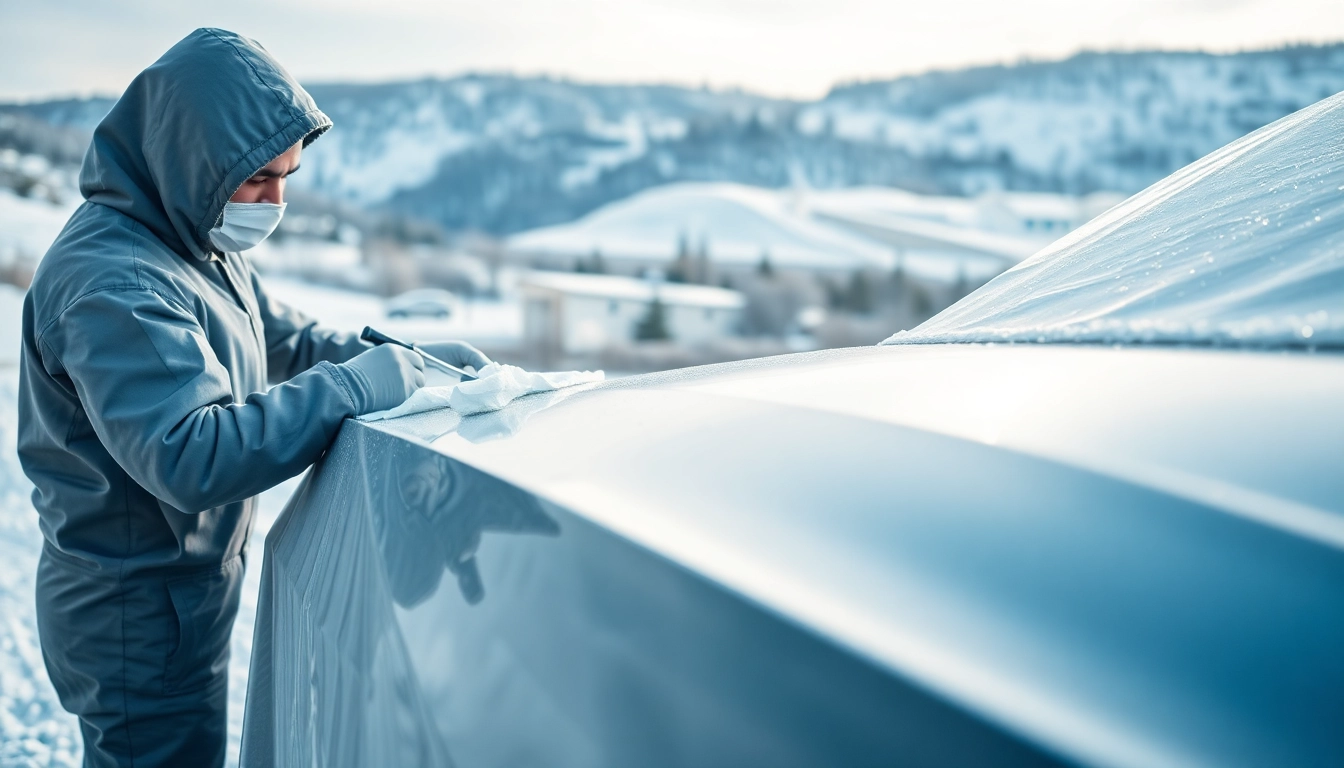
Understanding Winter Car Protection Chattanooga
As winter approaches in Chattanooga, vehicle owners need to prioritize winter car protection Chattanooga to ensure the longevity and performance of their cars. The combination of cold temperatures, snow, and road salt creates a hostile environment for vehicles. By understanding the importance of winter car protection, recognizing common winter hazards, and identifying key features of effective car protection, you can safeguard your investment and enjoy peace of mind throughout the chilly months.
Importance of Winter Protection for Vehicles
The significance of winter protection for vehicles cannot be overstated. During winter, changing weather conditions can be especially hard on a car's exterior and mechanical components. A lack of proper protection can lead to rust, paint damage, and reduced functionality. It is crucial to implement a comprehensive winter protection strategy, not only to prolong the life of your vehicle but to also maintain its resale value. A well-protected vehicle will perform at its best, ensuring safety on treacherous roads.
Common Winter Hazards Affecting Cars
- Road Salt: Used to de-ice roads, road salt can accelerate rust and corrosion on vehicles.
- Snow and Ice Accumulation: Accumulation can lead to weight issues, affecting braking and handling.
- Extreme Temperatures: Cold can affect battery performance and tire pressure.
- Moisture: Ice and snow can trap water against the car's body, leading to rust over time.
- Potholes: Filled with snow, these can cause significant damage to tires and suspension systems.
Key Features of Effective Car Protection
When selecting protective measures for your vehicle, consider the following features:
- Durability: Products should withstand harsh winter weather conditions without deteriorating.
- Water Resistance: Effective protectants even prevent water from seeping into delicate areas.
- UV Protection: Helps protect the paint from fading due to harsh winter sunlight.
- Ease of Application: Choose products that can easily be applied without professional assistance.
- Environmental Safety: Select eco-friendly products that minimize harm to the environment.
Choosing the Right Products for Winter Car Protection Chattanooga
Types of Protective Coatings
There are several types of protective coatings available on the market, including:
- Wax: A traditional option, wax provides a temporary layer of protection against water and contaminants.
- Sealants: More durable than wax, synthetic sealants create a protective barrier that lasts longer.
- Ceramic Coatings: Offer superior protection and longevity, creating a hard shell that resists chemicals and scratches.
- Vinyl Wraps: Protect the paint beneath while providing a customizable appearance.
Comparing Temporary vs Permanent Solutions
When considering protective options, it's essential to weigh the benefits of temporary versus permanent solutions:
- Temporary Solutions: Easy to apply and usually budget-friendly, but may require frequent reapplication.
- Permanent Solutions: Provide long-lasting protection but typically require professional application and a higher upfront investment.
Ultimately, the choice between temporary and permanent options will depend on your specific needs, budget, and the vehicle's condition.
Local Product Recommendations
In Chattanooga, consider exploring local stores or automotive detailers for high-quality winter protection products. Look for trusted brands that specialize in automotive care, and read customer reviews to gauge performance. Having quality products on hand can significantly enhance your vehicle's winter preparedness.
DIY Winter Car Protection Tips
Step-by-Step Application at Home
If you opt for a do-it-yourself approach, follow these steps for effective winter car protection:
- Wash the Car: Start with a thorough wash to remove dirt, grime, and existing contaminants.
- Dry Completely: Ensure the vehicle is entirely dry before applying any protection products.
- Choose Your Product: Select a wax, sealant, or ceramic coating based on your preferences.
- Apply Evenly: Follow product instructions for application methods, using a soft applicator pad.
- Buff and Polish: After the product has cured, buff the surface with a microfiber cloth for a brilliant shine.
Essential Tools and Supplies Needed
To achieve the best results, gather the following supplies:
- High-quality car wash soap
- Microfiber towels
- Applicator pads
- Winter wax or sealant
- Pressure washer or hose
Maintenance Tips for Longevity
Regular maintenance is essential for ensuring that your protective measures remain effective. Here are some tips:
- Wash your car frequently during winter to remove road salt.
- Inspect any protective coatings regularly for signs of wear.
- Reapply wax or sealants as needed, based on product instructions and weather conditions.
- Store your vehicle in a garage or use a car cover when not in use.
Professional Services for Winter Car Protection Chattanooga
What to Expect from Professional Care
Hiring a professional detailing service for winter car protection typically offers several benefits. Professionals have access to higher-quality products and tools, along with the expertise necessary to apply them correctly. Expect services to include a thorough cleaning, application of protective coatings, and a comprehensive inspection of your vehicle's exterior.
Advantages of Hiring Experts
There are numerous advantages to enlisting the help of experts:
- Experience: Professionals understand the best methods and products for your specific vehicle.
- Quality Results: Skilled hands can deliver superior application for maximum protection.
- Time Savings: Save your own time by letting professionals handle your winter car protection.
- Warranty Options: Some professional services offer warranties on their work, providing additional peace of mind.
Cost Considerations for Professional Protection
While investing in professional winter car protection may require a higher initial expenditure, consider it a long-term investment. Weigh the cost of professional services against potential repair expenses due to winter-related damage. Explore and compare local businesses to find competitive pricing and reliable quality.
Performance Metrics: Evaluating Effectiveness
Signs Your Protection Method is Working
To evaluate the effectiveness of your winter car protection strategy, look for these indicators:
- Water Beading: Properly applied sealant or coating should cause water to bead on the surface.
- Low Contaminant Accumulation: A clean surface indicates effective protection against dirt and grime.
- Minimal Rust Formation: Lack of rust spots suggests that protective measures are working as intended.
Customer Feedback and Satisfaction
Paying attention to customer feedback on products and services can provide invaluable insights. Read reviews and testimonials to understand how others perceive their winter protection decisions. Satisfied customers often mean effective solutions that you may want to consider.
Improving Your Winter Car Protection Strategy
Continuous improvement in your winter car protection strategy involves staying informed about new products and techniques. Consider testing different brands, methods, or even seeking seasonal recommendations to enhance your protection measures. Regularly assess the performance of your current strategies and adjust as necessary.
Frequently Asked Questions (FAQs)
1. How often should I apply winter protection products?
It depends on the product, but generally, maintaining a protective layer every 3-6 months is recommended for best results.
2. Is DIY winter protection effective?
Yes, DIY methods can be effective if done correctly. Ensure you realize your product's specifications and follow guidelines.
3. Can I wash my car after applying protective coatings?
Wait at least 48 hours after application before washing your car to ensure the product adheres properly.
4. What is better: wax or sealant?
Sealants generally offer longer-lasting protection compared to wax. However, wax provides a warm glow and is easier to apply.
5. Do I need professional help every winter?
Not necessarily. Depending on your skills and product quality, a DIY approach can suffice, but professional services can provide peace of mind.