
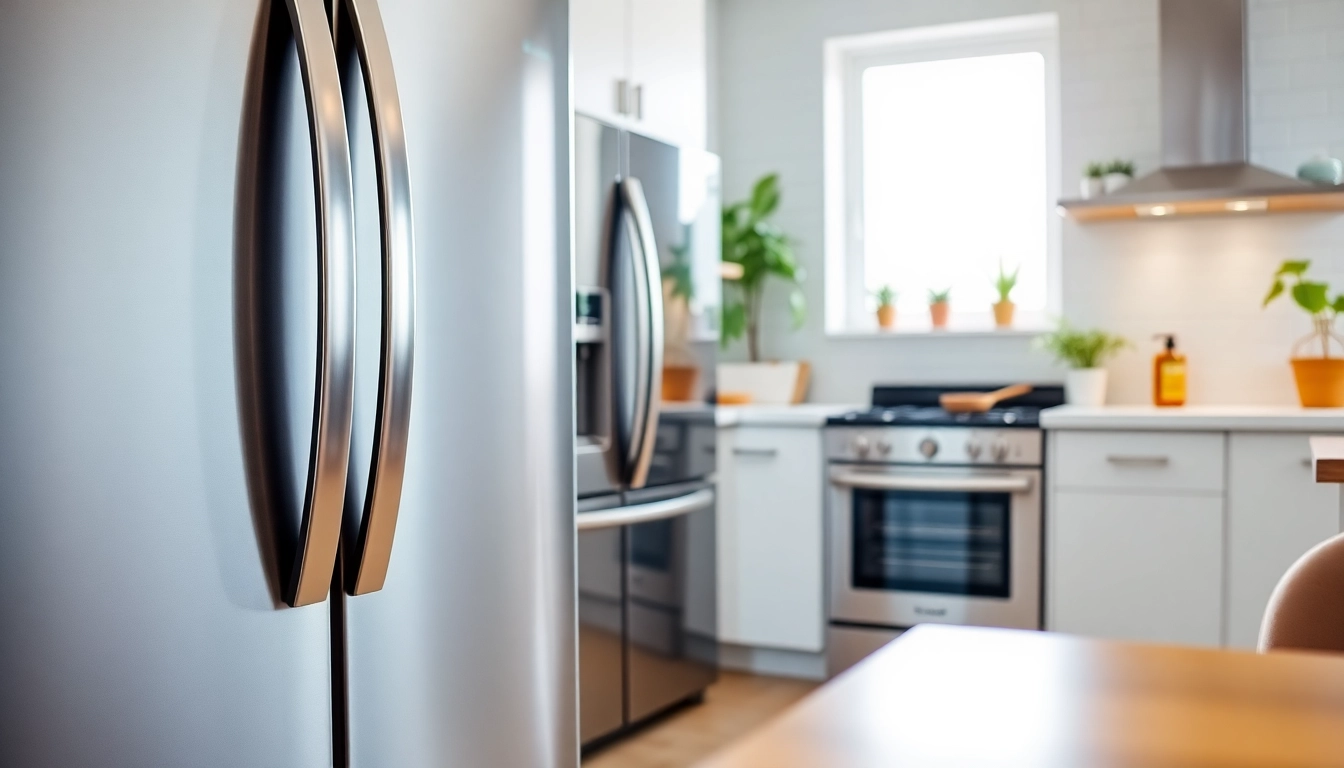
Understanding Home Appliances
What are Home Appliances?
Home appliances are essential tools that simplify our daily lives. They encompass a wide range of devices designed to assist in household tasks, enhancing convenience and efficiency. From kitchen gadgets like refrigerators and ovens to laundry machines and climate control systems, home appliances serve both functional and aesthetic purposes in our homes. They are typically divided into two categories: major appliances, which are large and fixed in a specific location, and small appliances, which are portable and can be easily stored when not in use. Investing in high-quality home appliances can significantly uplift your home life experience.
The Importance of Home Appliances
Home appliances are not just about convenience; they play a critical role in overall lifestyle enhancement. They save time, reduce manual labor, and increase energy efficiency. For example, modern washing machines can wash clothes quickly and with less water than hand washing, making them both environmentally friendly and cost-effective. Furthermore, appliances like dishwashers and microwaves help streamline meal preparation, allowing families to spend more time together instead of on chores. In summary, these devices contribute to household productivity and comfort, highlighting their importance in contemporary living.
Common Types of Home Appliances
Home appliances can be broadly categorized into several types:
- Kitchen Appliances: Includes refrigerators, ovens, dishwashers, and microwaves.
- Laundry Appliances: Features washing machines and dryers.
- Heating and Cooling Appliances: Encompasses air conditioners, dehumidifiers, and heaters.
- Cleaning Appliances: Comprises vacuum cleaners and steam cleaners.
- Small Appliances: Includes blenders, toasters, and coffee makers.
Each appliance category has its features and specifications tailored for specific tasks, helping to make our lives simpler and more efficient.
Factors to Consider When Choosing Home Appliances
Energy Efficiency Ratings
When selecting home appliances, energy efficiency should be a top consideration. Appliances that feature energy-efficient ratings, such as the ENERGY STAR label, use less energy to perform the same tasks as their conventional counterparts. This not only helps reduce the household energy bill but also minimizes the environmental footprint. For instance, energy-efficient refrigerators can save hundreds of dollars over their lifespan by utilizing advanced technologies that reduce energy consumption without sacrificing performance.
Size and Space Considerations
Before purchasing new appliances, it is essential to measure the available space in your home. Larger appliances, like refrigerators and washers, must fit within designated areas, with enough room for proper ventilation and operation. Check door clearances and ensure that the appliance’s dimensions meet your space requirements. It may also be beneficial to consider the layout of your kitchen or laundry room to optimize functionality and flow.
Budgeting for Home Appliances
Budgeting is crucial when it comes to purchasing home appliances. While initial costs might be low for some models, more affordable appliances may lead to higher utility expenses over time due to inefficiency. Investing in quality home appliances may involve higher upfront costs, but these can often translate to long-term savings. Additionally, consider maintenance and repair costs that may arise later, allowing you to make a more informed financial decision.
Maintaining Your Home Appliances for Longevity
Routine Cleaning Tips
Regular maintenance is key to extending the lifespan of your home appliances. Simple cleaning routines can help prevent buildup and inefficiency. For example, regularly cleaning the filters in your dishwasher or washing machine prevents clogs and promotes optimal performance. Likewise, refrigerator coils should be dusted periodically to enhance energy efficiency. A consistent cleaning schedule can help you catch any potential issues early on, ensuring your appliances remain in top working condition.
Identifying Signs of Wear
It’s vital to monitor your appliances for signs of wear and tear. Common indicators, such as unusual noises, poor performance, or visible damage, can signify that maintenance is required. For example, a washing machine that shakes excessively or a refrigerator that is not cooling correctly should be addressed promptly to avoid more significant issues down the line. Familiarizing yourself with the warning signs can help you intervene early and avoid costly repairs or replacements.
When to Consult a Professional
While regular maintenance can resolve many minor issues, there are times when consulting a professional technician is necessary. If an appliance exhibits persistent problems despite routine maintenance, or if it shows signs of electrical malfunction, it's best to seek professional help. Addressing technical or repair issues early on can prevent further malfunctions and prolong the appliance's lifespan.
Innovations in Home Appliances
Smart Home Appliances
The rise of smart technology has ushered in a new era of home appliances, making daily tasks more manageable through automation and remote control capabilities. Smart refrigerators can track expiration dates, suggest grocery lists, and even connect to your smartphone for notifications. Similarly, smart washing machines can be programmed and monitored remotely, reducing processor time and improving efficiency. These innovations not only boost convenience but also offer increased energy efficiency through advanced monitoring features.
Sustainable Choices in Home Appliances
In recent years, the demand for sustainable appliances has grown significantly. Consumers are increasingly seeking products made from recycled materials or those that minimize resource consumption. Sustainable home appliances can significantly reduce waste, both in terms of energy and materials. For instance, some dishwashers now use specialized sensors to optimize water usage based on load size, while water-saving washing machines clean effectively with less water than traditional models.
The Future of Home Appliances Technology
The future of home appliances is bright, with rapid technological advancements constantly reshaping the landscape. Emerging trends include the integration of Artificial Intelligence (AI), which enhances appliance adaptability to user behaviors, allowing for more optimized performance. Additionally, advancements in IoT (Internet of Things) technology are paving the way for appliances to communicate with one another, creating a seamless user experience. As innovation continues, home appliances will likely evolve to become even more energy-efficient, user-friendly, and environmentally responsible.
FAQs on Home Appliances
What are the most essential home appliances?
Essential home appliances typically include refrigerators, ovens, washing machines, and dishwashers. These appliances play vital roles in meal preparation, food preservation, and laundry tasks, streamlining everyday routines.
How do I choose energy-efficient home appliances?
To select energy-efficient home appliances, look for the ENERGY STAR label, which indicates that the product meets strict energy efficiency standards. Additionally, compare energy consumption ratings and consider features that enhance efficiency, such as smart technology.
How often should I clean my appliances?
Cleaning frequency varies by appliance, but generally, you should clean kitchen appliances, such as refrigerators and ovens, monthly, while washing machines and dryers require regular filtering and periodic deep cleaning to maintain efficiency.
What features should I look for in a refrigerator?
Look for energy efficiency ratings, adjustable shelving, temperature controls, humidity settings, and additional features like water and ice dispensers. These features enhance usability and help maintain food quality.
Are smart home appliances worth the investment?
Smart home appliances can be worth the investment, providing convenience through automation, energy savings, and enhanced functionality. Assess their benefits against your household needs to determine their cost-effectiveness.