
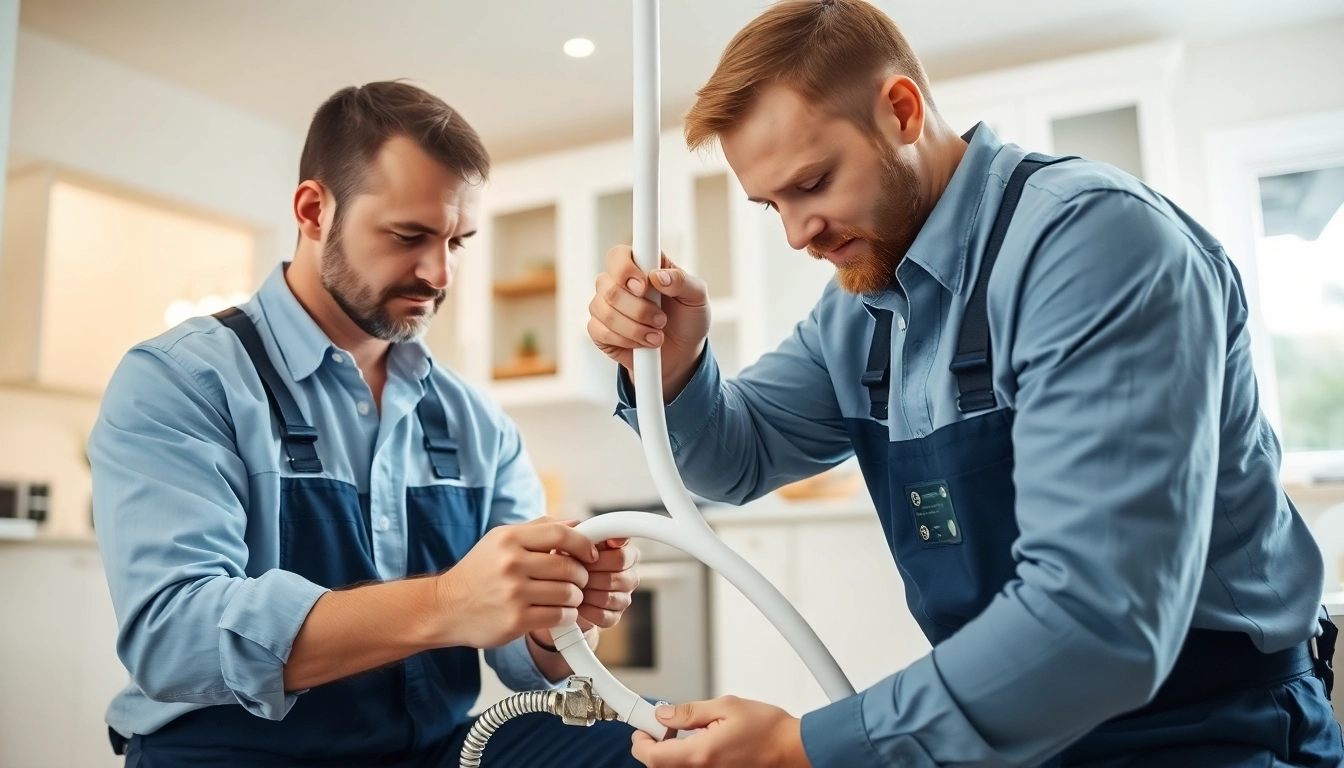
Understanding Whole House Repiping
What is Whole House Repiping?
Whole house repiping refers to the process of replacing the existing plumbing pipes in a home with new ones. This service is crucial for homes experiencing plumbing problems related to aging pipes, such as leaks, low water pressure, or discolored water. The repiping process typically involves replacing the plumbing system throughout the structure, thereby improving water quality, flow, and reliability. Residents in Saint Petersburg seeking efficient and effective plumbing solutions, often turn to Whole House Repiping Saint Petersburg FL for a comprehensive service that addresses their plumbing issues from the ground up.
Signs You Need Repiping in Saint Petersburg FL
- Frequent Leaks: If you're encountering persistent leaks in different areas of your home, it may indicate that your pipes are failing.
- Low Water Pressure: A sudden drop in water pressure can be a sign of corroded pipes obstructing the flow of water.
- Discolored Water: Rusty or colored water often indicates pipe deterioration and may pose health risks.
- Increased Water Bills: Unexpected spikes in your water bill can point to hidden leaks or inefficiencies in your plumbing system.
- Old Pipes: Homes built decades ago often have outdated plumbing materials, such as lead or galvanized steel, which may need replacement for safety.
Types of Piping Materials Used
There are several materials commonly used for repiping, each with its unique advantages and considerations:
- Copper: Highly durable and resistant to corrosion, copper pipes are one of the most reliable options but can be costlier than alternatives.
- PEX (Cross-Linked Polyethylene): Lightweight and easy to install, PEX is flexible and can withstand temperature fluctuations, making it a popular modern choice.
- CPVC (Chlorinated Polyvinyl Chloride): Ideal for both hot and cold plumbing, CPVC is cost-effective and less susceptible to corrosion than metal pipes.
The Repiping Process Explained
Initial Assessment and Evaluation
The first stage of the repiping process involves a thorough assessment of the existing plumbing system. This usually includes visual inspections, pressure tests, and even video camera inspections of pipes to accurately identify problems. Hiring a professional plumbing service ensures that assessments are conducted using proper techniques and equipment, which help to determine the appropriate plan for repiping.
Planning and Preparing for Repiping
Once the assessment is complete, a plan is developed. This plan outlines the areas that need repiping, the type of materials to be used, and the timeline for completion. A crucial aspect of planning is communicating with the homeowners about potential disruptions to their daily routines and any necessary preparations they need to make. This planning phase also includes obtaining necessary permits if required by local regulations.
Executing the Repiping Project
During the actual repiping, plumbing professionals will systematically remove old pipes and replace them with new ones. This could involve opening walls or ceilings to access the plumbing, which may necessitate repairs later. Throughout this process, professionals prioritize safety and ensure that all new installations conform to local plumbing codes. The installation typically takes one to three days, depending on the complexity and size of the home.
Cost Considerations for Whole House Repiping
Factors Influencing the Total Cost
The overall cost of repiping a house in Saint Petersburg can vary significantly based on several factors, including:
- Size of the Home: Larger homes typically require more materials and time, driving up costs.
- Pipe Material: Different materials have different price points, with copper generally being more expensive than PEX or CPVC.
- Accessibility: If pipes are difficult to reach or located in hard-to-access areas, labor costs may rise due to increased time and effort needed.
Cost Breakdown by Materials
Here’s a brief breakdown of estimated costs associated with various piping materials:
- Copper: $8 to $10 per linear foot.
- PEX: $0.40 to $2.00 per linear foot.
- CPVC: $0.50 to $2.00 per linear foot.
Potential Financing Options
Many homeowners seek financing options for repiping due to the associated costs. This may include loans from banks, credit unions, or home improvement financing programs. Additionally, some local agencies offer assistance programs that may alleviate financial strain related to significant plumbing repairs, allowing for more manageable monthly payments.
Choosing the Right Plumbing Service
What to Look for in a Plumbing Company
When selecting a plumbing service for repiping, it is essential to look for:
- Licensing and Insurance: Ensure the plumbing company is fully licensed and insured to protect both you and the workers.
- Experience: Consider companies that specialize in repiping and have a proven track record in handling similar projects.
- Warranty: A reputable plumbing company should offer warranties on both labor and materials used, providing peace of mind post-installation.
Questions to Ask Before Hiring
Before committing to a plumbing service, you should ask:
- What brands and materials do you recommend for repiping?
- Can you provide references or reviews from previous clients?
- How will the repiping process affect my daily routine?
- Are there any additional costs I should be aware of?
Importance of Customer Reviews
Customer reviews offer invaluable insights into the quality and reliability of a plumbing service. Reading detailed feedback can help you gauge the level of service they provide and whether past clients were satisfied with their repiping projects. It is advisable to check multiple platforms and look for recurring themes in the reviews.
Maintaining Your Plumbing After Repiping
Routine Checks and Maintenance Tips
Post-repipement, homeowners should continue to monitor their plumbing. Engaging in routine checks for leaks, cleaning faucet aerators and showerheads, and winterizing pipes during colder months are crucial maintenance activities. Consider scheduling annual inspections with a plumbing professional to proactively identify any issues before they escalate.
Dealing with Common Plumbing Issues
Even with new pipes, it’s advisable to be vigilant for common plumbing issues such as minor leaks or water pressure fluctuations. Addressing these concerns early can prevent further damage or costly repairs down the line. Homeowners should also understand how to quickly shut off their water supply in emergencies.
Long-term Benefits of Proper Maintenance
Consistent upkeep of your plumbing system can prolong the lifespan of your new pipes, reduce the likelihood of plumbing emergencies, and ensure steady water flow and quality. This, in turn, can translate to cost savings on repairs and utility bills, enhancing the overall efficiency of your home.
FAQs About Whole House Repiping
How much does whole house repiping typically cost?
The cost for whole house repiping in Saint Petersburg FL usually ranges from $5,000 to $15,000, depending on the home's size and the materials used.
How long does the repiping process take?
Generally, the whole house repiping can take anywhere from one to three days, depending on the complexity and the size of your home.
Will I need to vacate my home during repiping?
While not always necessary, it’s often recommended to vacate your home during the repiping process for safety and comfort, especially if it's an extensive project.
What types of materials are used for repiping?
The most common materials for repiping include PEX, copper, and CPVC, each with its own advantages in terms of durability and cost.
Are there any permits required for repiping?
Yes, most localities in Saint Petersburg FL require permits for whole house repiping to ensure safety and compliance with plumbing codes.