
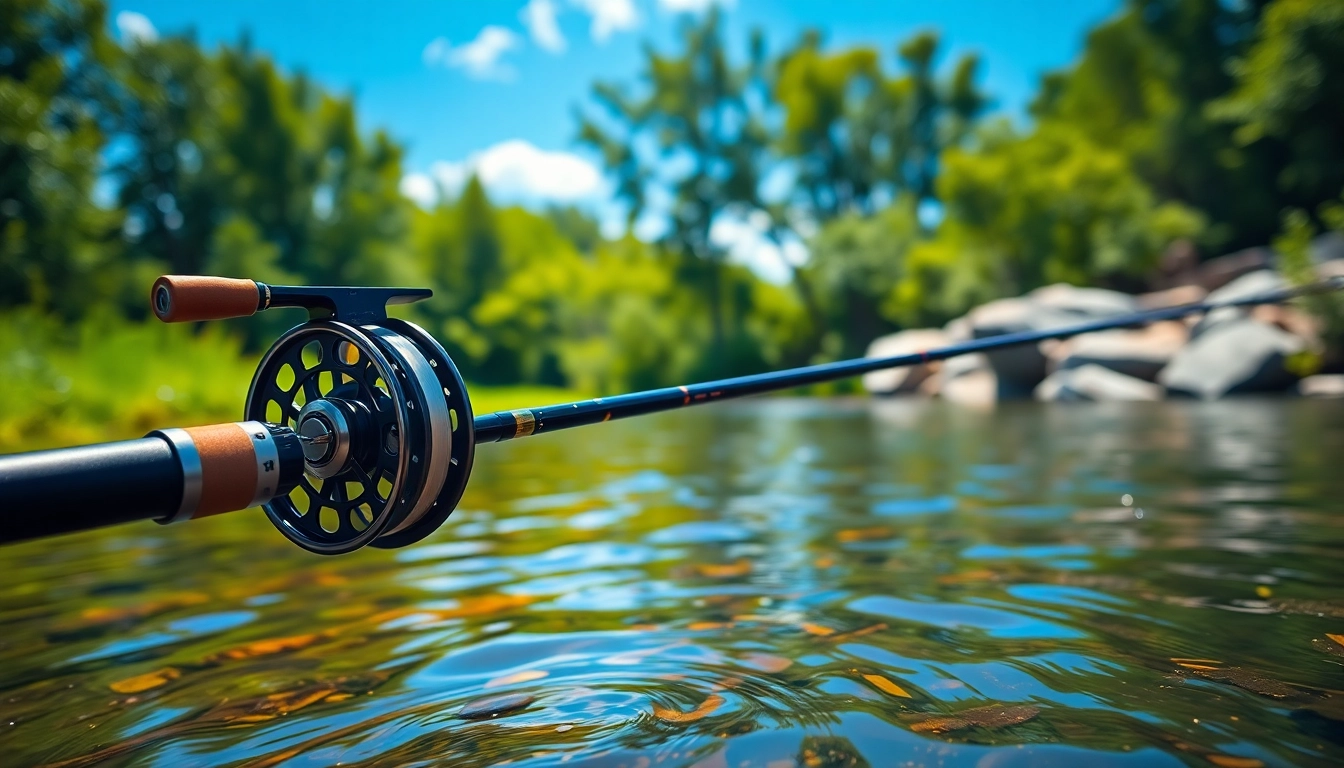
Understanding Fly Fishing Combos
What is a Fly Fishing Combo?
A Fly fishing combo is a set that contains all the essential equipment needed for fly fishing, typically including a rod, reel, backing, fly line, and leader. This all-in-one package simplifies the process for anglers, especially beginners, providing everything needed to get started right away. By offering a cohesive unit, these combos ensure compatibility between components, which is crucial for the effectiveness of the fishing experience.
Components of a Fly Fishing Combo
Understanding the components of a fly fishing combo can enhance the fishing experience by ensuring proper use.
- Rod: Varies in length and weight based on target species, typically made of graphite or fiberglass for flexibility.
- Reel: Balances the rod and facilitates line retrieval. It comes in various types, including single-action or drag systems.
- Backing: A strong line attached to the reel, providing essential support for larger fish.
- Fly Line: A specialized line designed to cast the fly and is usually heavier than regular fishing line for the required weight.
- Leader: A thin line connecting the fly to the fly line, allowing for a seamless presentation of the fly.
Why Choose a Combo Kit?
Choosing a combo kit is beneficial for several reasons:
- Simplifies Selection: Combos are specifically matched by manufacturers to work harmoniously.
- Cost-Effective: They can be a better value than purchasing individual components separately.
- Convenience: Ready to use out of the box – perfect for novices who may not yet understand each component.
Types of Fly Fishing Combos
Beginner Fly Fishing Combos
Beginner combos are tailored for those just starting in the sport. These kits often include:
- 5wt Rod and Reel: A versatile weight suitable for small to medium-sized freshwater fish.
- Pre-Spooled Lines: Ready to fish, eliminating the need for complex rigging.
- Comprehensive Instruction: Many beginner kits come with guides or manuals on how to use the equipment.
Advanced Fly Fishing Combos
For seasoned anglers, advanced combos offer specialized components that enhance performance, such as:
- Higher-Weight Rods: Designed for larger species, often constructed from advanced materials for better sensitivity.
- Enhanced Reels: Advanced drag systems to handle heavier fishing lines and larger fish.
- Customization Options: Ability to select specific component variations based on preferred fishing style.
Specialty Fly Fishing Combos
These combos are created for specific fishing environments and target species. Examples include:
- Saltwater Combos: Corrosion-resistant materials to withstand saltwater conditions.
- Stream Fishing Combos: Shorter rods and lighter tackle for quick casting in tight spaces.
- Steelhead Combos: Comprised of longer rods and stronger lines suitable for larger freshwater fish.
Factors to Consider When Buying a Fly Fishing Combo
Budget Considerations
Understanding your budget is vital. Basic beginner setups can range from $100 to $300, while advanced combos may start at around $300 and go upwards. Assessing the value based on quality vs. price will help determine long-term satisfaction.
Matching Rod and Reel Sizes
Ensuring the rod and reel are matched appropriately is crucial for optimal performance. The fly rod's weight should complement the reel and line weight for a balanced setup, affecting casting distance and accuracy.
Material Types and Durability
Rods are commonly made from graphite, fiberglass, or a combination of both. Graphite offers sensitivity and strength, while fiberglass brings durability and flexibility. For fly reels, aluminum and plastics are common; aluminum tends to be more durable.
Choosing the Right Fly Fishing Combo for Your Needs
Assessing Fishing Locations
Consider where you’ll be fishing most often. If you fish primarily in streams, a shorter and lighter combo may be beneficial. If saltwater or larger rivers are your primary locations, opt for heavier and more durable gear.
Target Fish Species
Your target species will influence your choice of combo. For example:
- Trout: Typically require lighter setups (3-5wt).
- Pike: Larger, heavier gear (8-10wt) is advisable due to their size and strength.
- Salmon: Often requires medium to heavy rods (7-9wt) suitable for casting larger flies.
Special Features to Look For
Some useful features include:
- Lifetime Warranty: Indicates quality and support from the manufacturer.
- Composite Rods: Offer a balance between sensitivity and strength.
- Built-In Reel Seat: Enhances functionality and makes for easy adjustments.
Fly Fishing Combo Care and Maintenance
Routine Cleaning Practices
Cleaning your fly fishing gear is essential for its longevity. After each use, rinse the rod and reel with fresh water to remove salt or debris. A quick wipe-down with a soft cloth helps prevent corrosion and wear.
Storage Tips for Longevity
Storing your combo correctly is crucial. When not in use, store your rod in a protective case to prevent damage. Reels should be stored in a dry place, preferably with the line removed to avoid tension.
Repairing Common Issues
Common problems may include line twists or fraying. Line is easy to replace, while rod splits require professional attention. Keeping a repair kit handy for minor reel issues can save time and expenses.
Frequently Asked Questions
What should be included in a beginner fly fishing combo?
A beginner combo should typically include a rod, reel, backing, fly line, leader, and a few flies, along with an instruction manual.
How do I know if my fly fishing combo is suitable for saltwater?
Saltwater combos are usually larger, made from corrosion-resistant materials, and have beefier reels designed to handle fish found in saltwater environments.
Can I use my fly fishing combo for different fish species?
Yes, but it’s best to match your fly combo with the target species’ requirements regarding rod weight and line type for effective fishing.
How often should I maintain my fly fishing gear?
Routine cleaning after every fishing trip is ideal. Annual comprehensive maintenance, including line replacement and reel servicing, is also recommended.
What is the lifespan of a fly fishing rod?
With proper care, a fly fishing rod can last several years, often upwards of a decade. Material quality and maintenance practices significantly influence longevity.