
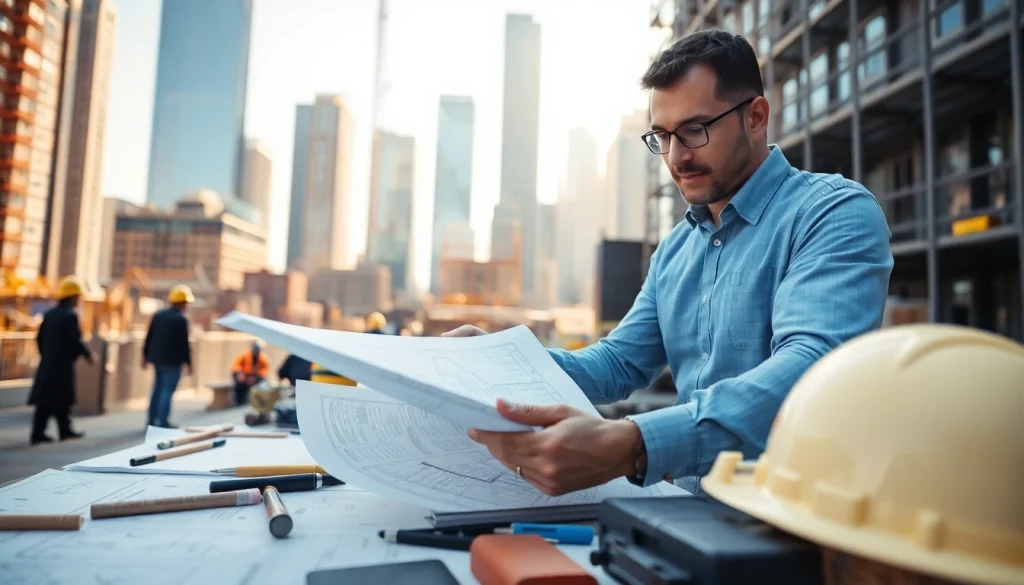
Understanding the Role of a Manhattan Construction Manager
The role of a Manhattan Construction Manager is multifaceted, demanding a unique blend of technical expertise and soft skills. They serve as the linchpin in construction projects, ensuring that everything runs smoothly from inception to completion. Their responsibilities extend beyond simple oversight; they are crucial players in the successful execution of various construction projects within one of the most complex urban landscapes in the world.
Key Responsibilities and Skills Needed
A Manhattan Construction Manager’s core responsibilities encompass project planning, execution, and teamwork. Here are some of the essential tasks they perform:
- Project Planning: They set the pace for the project, establishing timelines, budgets, and resource plans. This requires not just a solid understanding of construction practices but also analytical skills to foresee potential issues.
- Coordination: Effective coordination of various stakeholders, including architects, engineers, subcontractors, and clients, is vital. A Manhattan Construction Manager must ensure that every party is on the same page, reducing the risk of miscommunication.
- Quality Control: Maintaining high-quality standards is paramount. They regularly inspect work at various stages, ensuring compliance with local regulations and safety guidelines.
- Problem-Solving: When unexpected issues arise, a skilled construction manager will devise solutions swiftly to minimize any disruptions to the timeline and budget.
- Risk Management: They must identify potential risks ahead of time and put mitigation plans in place to avoid pitfalls that could derail the project.
In addition to these tasks, the role demands a variety of skills including leadership, negotiation, and technical knowledge in construction processes and materials.
Importance of Effective Communication
Effective communication underpins the role of a Manhattan Construction Manager. The complexity of urban construction projects means that clear communication across various stakeholders is essential. A construction manager must succinctly articulate project goals, timelines, and challenges to teams and clients alike. This involves not just verbal communication but also written documentation, which serves as a record of decisions and changes throughout the project lifecycle.
Furthermore, being an active listener is equally important. Understanding the concerns and suggestions of team members or stakeholders can help avert conflicts and foster a collaborative environment.
Managing Project Timelines and Budgets
Time and money are critical elements in construction management. A Manhattan Construction Manager must develop a detailed project timeline that outlines every step from groundbreaking to project completion. Gantt charts and project management software are commonly used tools to visually represent timelines and resource allocation.
Simultaneously, managing budgets is a critical responsibility. Construction managers must closely monitor expenditures and implement cost-saving measures without compromising on quality. Regular financial assessments allow for adjustments to be made promptly, thus keeping the project on its financial track.
Best Practices for Successful Construction Management in Manhattan
Project success is often determined by the methodologies and practices employed throughout the construction process. Here, we outline some best practices for construction management specifically tailored for the unique challenges of Manhattan.
Building Strong Project Teams
The strength of a project team is foundational to success. A Manhattan Construction Manager should focus on assembling a skilled and diverse team, selecting individuals not only for their technical abilities but also for their capacity to work collaboratively. Establishing clear roles and responsibilities boosts accountability, while regular meetings enhance teamwork by ensuring everyone is aligned on project goals.
Utilizing Technology and Tools
Integrating technology in construction management enhances efficiency and accuracy. Tools like Building Information Modeling (BIM) enable teams to visualize projects in a 3D space, allowing for early detection of potential design flaws. Additionally, project management software that encompasses scheduling, budgeting, and communication features keeps everyone informed and organized throughout the project.
Implementing Safety Standards and Regulations
Adherence to safety standards is not optional; it’s a legal and ethical obligation. Construction managers must ensure that all team members are trained in safety regulations and best practices. Routinely conducting safety inspections and emergency drills can foster a culture of safety on-site. Moreover, understanding and complying with local building codes and regulations is imperative to avoid costly fines and project delays.
Challenges Facing Manhattan Construction Managers
The bustling urban environment of Manhattan presents unique challenges for construction managers. Understanding these hurdles is critical for proactive management and risk mitigation.
Navigating Regulatory Compliance
Manhattan construction managers often face stringent regulatory requirements. Ensuring compliance with zoning laws, safety regulations, and environmental guidelines can be both complex and time-consuming. It is essential to have a thorough understanding of the legal landscape and maintain open lines of communication with local authorities to facilitate timely approvals and avoid penalties.
Dealing with Market Fluctuations
The construction market can be volatile, influenced by factors like economic shifts, material costs, and labor availability. Manhattan Construction Managers must stay informed about current market trends and be adaptable in their strategies. This may involve building strong relationships with suppliers to secure better pricing or diversifying subcontractor options to mitigate labor shortages.
Adapting to Urban Development Dynamics
The unique dynamics of urban development in Manhattan can create unforeseen challenges. Limited space, residential proximity, and the need for specific staging areas can all complicate logistics. Construction managers must strategize ahead of time about site access, traffic manageability, and how to reduce disruption to the surrounding community.
Case Studies of Successful Projects Led by Manhattan Construction Managers
Studying successful projects led by skilled Manhattan Construction Managers reveals valuable lessons and strategies that can be applied to future projects. The experience gleaned from past endeavors enhances the skillset of current managers, making them better equipped for future challenges.
Iconic Projects and Their Unique Challenges
Several iconic structures in Manhattan stand as testimonies to effective construction management. These projects often face unique challenges such as strict timelines, public scrutiny, and environmental impact considerations. Understanding how previous project managers navigated these issues offers insights into best practices and innovative solutions.
Lessons Learned from Successful Implementations
Every project provides valuable lessons. A Manhattan Construction Manager should engage in post-project evaluations to assess what worked and what didn’t. These insights can lead to refined processes and improved decision-making in future projects, promoting a culture of constant learning and adaptation in the field of construction management.
The Impact of Leadership on Project Outcomes
Strong leadership can significantly influence the outcome of a construction project. Effective construction managers exhibit not just technical competence but also the ability to inspire and motivate their teams. By fostering a positive work culture, they can enhance productivity and ensure that all project stakeholders remain engaged, which is crucial for achieving project goals.
Future Trends in Construction Management for Manhattan
As the construction landscape continues to evolve, several emerging trends hold promise for enhancing construction management practices in Manhattan. Understanding these trends is vital for adapting to future challenges and seizing opportunities.
Sustainability and Green Building Practices
The push for sustainability is permeating the construction industry, and Manhattan is no exception. Construction managers are increasingly tasked with implementing green building practices that emphasize energy efficiency and environmentally friendly materials. Staying abreast of the latest sustainable technologies and practices not only meets regulatory requirements but also improves project marketability.
The Rise of Smart Technology Integration
Smart technology is infiltrating every sector, including construction management. The integration of IoT devices for monitoring construction sites, drones for surveying, and smart wearables for safety are becoming common. Embracing these advancements can lead to more efficient project management and heightened safety measures, ultimately benefitting project outcomes.
Preparing for Workforce Development and Training
The future of construction management hinges on skilled labor. An effective Manhattan Construction Manager not only needs to focus on current team performance but also invest in workforce development. Continuous training and development will help retain talent and prepare future leaders in the field.