
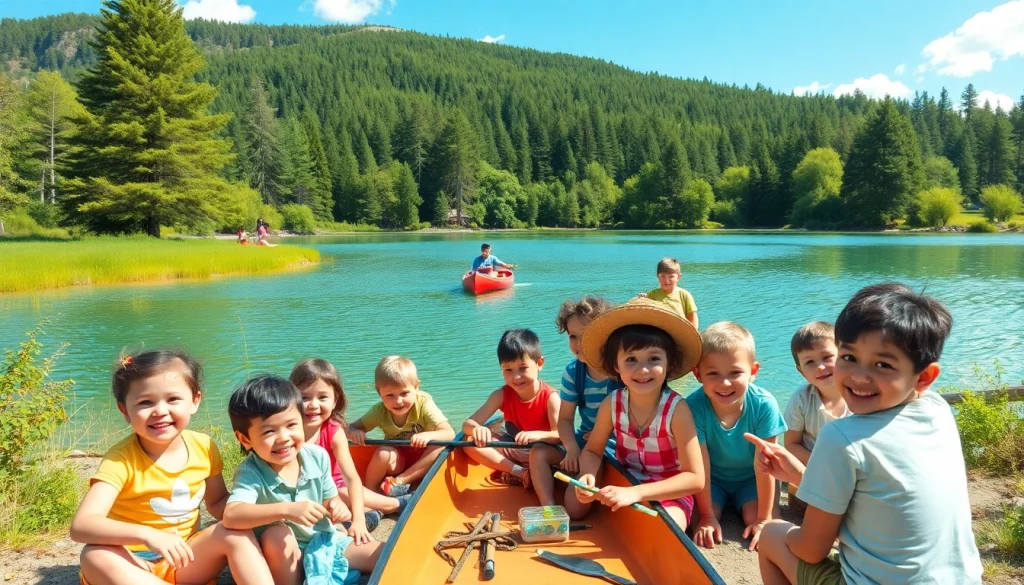
Understanding the Concept of Holiday Camps
Definition and History
Holiday camps are structured recreational programs designed for children during school holidays. This concept emerged in the early 20th century as a response to the growing need for youth engagement outside of traditional schooling. The first holiday camps focused on providing educational and recreational activities aimed at socializing and skill-building among children. Today, they have evolved to encompass various themes, from arts and sports to environmental studies and outdoor adventures, appealing to a diverse range of interests.
Types of Holiday Camps Available
Holiday camps come in numerous forms, catering to the vast array of interests and needs among children:
- Sports Camps: Focus on athletic skills such as soccer, swimming, or martial arts, encouraging physical fitness.
- Arts Camps: Offer classes in music, painting, drama, and dance, allowing for self-expression and creativity.
- Academic Camps: Target specific subjects like science or mathematics, offering enrichment opportunities during breaks.
- Adventure Camps: Center on outdoor exploration, hiking, and team-building activities that promote resilience and courage.
- Special Needs Camps: Specifically designed to accommodate children with disabilities, ensuring inclusivity in a supportive environment.
Benefits of Attending Holiday Camps
Enrolling children in Holiday camps comes with myriad advantages:
- Social Skills Development: Interaction with peers fosters teamwork and communication skills.
- Independence: Camps encourage children to step out of their comfort zones, building confidence and self-reliance.
- Learning Opportunities: Various activities enrich children’s knowledge outside traditional curricula.
- Physical Activity: Regular engagement in active play promotes healthier lifestyles.
- Memorable Experiences: Camp offers unique experiences that create lasting memories and friendships.
Choosing the Right Holiday Camps for Your Child
Factors to Consider in Selection
Selecting the best camp for your child involves careful consideration of various factors:
- Age Appropriateness: Ensure the camp’s programs are suitable for your child’s age and developmental stage.
- Interests: Match the camp activities with your child’s interests to enhance enjoyment and engagement.
- Duration and Location: Consider the duration of the camp and its location for practicality and convenience.
- Reputation: Research the camp’s history and read reviews to gauge the experiences of past attendees.
- Accreditation: Check if the camp is accredited by recognized organizations ensuring quality standards.
Evaluating Camp Activities and Staff Qualifications
Ensure the camp offers a well-rounded schedule of activities that sparks interest. Look into the qualifications of staff members; they should be trained in child development and first aid, providing a safe environment that fosters growth and creativity.
Understanding Pricing and Value
The cost of holiday camps can vary significantly. Assess the price against the value it offers; more expensive camps may provide exclusive activities or exceptional facilities that justify the cost. Check for any available financial aid or scholarship options.
Planning for Your Child’s Holiday Camp Experience
Preparing Your Child for Camp Life
Preparation begins at home. Talk to your child about what they can expect, including daily routines, rules, and the importance of making new friends. Gradually encourage independence by allowing them to pack their bags and select their preferred activities.
What to Pack for Holiday Camps
A well-packed bag is essential for a stress-free camp experience. Items to consider include:
- Clothing: Seasonal outfits, comfy shoes, and swimwear where applicable.
- Personal Items: Toiletries, medications, and any items for personal comfort, like a favorite blanket.
- Activity Gear: Equipment for specific sports or arts, such as a basketball or art supplies.
- Sun Protection: Sunscreen, hats, and sunglasses to safeguard from sun exposure.
Transportation and Safety Measures
Plan your child’s transportation to camp carefully, considering both drop-off and pick-up arrangements. Ensure you understand the camp’s safety protocols, including emergency procedures and supervision ratios to maintain your child’s security.
Popular Activities at Holiday Camps
Outdoor Adventures: Exploration and Discovery
Outdoor activities such as hiking, canoeing, and nature exploration are common at holiday camps. These experiences not only enhance physical capabilities but also foster a deeper appreciation for nature. Camps often utilize these activities to promote teamwork as children navigate challenges together.
Arts and Crafts: Creativity Unleashed
Many camps offer arts and crafts sessions where children can express their creativity. Activities may include painting, sculpting, or jewelry making. Such programs encourage imaginative thinking and fine motor skills development while also providing a therapeutic outlet for self-expression.
Sports and Team Building: Skills and Camaraderie
Structured sports activities help children learn valuable teamwork skills and the importance of cooperation. From team sports like basketball to individual challenges like climbing walls, camps create an environment where children can build fitness and resilience while having fun.
Frequently Asked Questions about Holiday Camps
How do I find suitable holiday camps nearby?
Look for local directories, community centers, and online resources dedicated to children’s activities. Additionally, consider asking parents for recommendations.
What are the typical costs associated with holiday camps?
Costs can range from $50 to $500 per week depending on the camp’s offerings. Programs with specialized activities may charge higher fees.
Can children with special needs attend holiday camps?
Yes, many holiday camps cater specifically to children with special needs, ensuring they have a safe and inclusive environment to thrive.
What safety measures are in place at holiday camps?
Most camps implement strict safety protocols including trained staff, emergency first-aid measures, and secure facilities to ensure the well-being of all campers.
How can I prepare my child for their first holiday camp?
Begin by discussing what they can expect, allowing them to visit the facility if possible. Help them pack their belongings and encourage them to share their feelings or concerns.