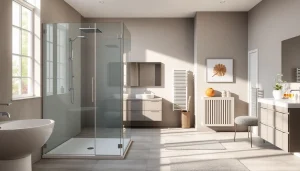
Overview of Sliding Shower Doors
Sliding shower doors are a popular choice for homeowners looking to optimize their bathroom space while enhancing its aesthetic appeal. Designed to slide along a track, these doors offer an efficient means of entry and exit from the shower, making them particularly advantageous in smaller bathrooms. This article aims to delve into the intricacies of sliding shower doors, covering their benefits, design styles, installation processes, maintenance, cost considerations, and more.
What are Sliding Shower Doors?
Sliding shower doors are characterized by their operation mechanism: they slide on tracks rather than swinging out or in. This design is particularly useful for tight spaces where a standard door may impede movement. Often made from tempered glass, these doors provide a sleek and modern appearance that can fit a variety of bathroom styles.
Advantages of Sliding Shower Doors
Sliding shower doors come with several advantages:
- Space-Efficiency: Ideal for small bathrooms, they do not require additional clearance for swinging open.
- Modern Aesthetic: The clean lines and glass surfaces give a sophisticated, contemporary feel.
- Accessibility: Offers ease of entry, especially for individuals with mobility concerns.
- Natural Light: Glass doors allow natural light to permeate the bathroom, creating a brighter atmosphere.
Common Materials Used
The primary material used in sliding shower doors is tempered glass, known for its durability and safety. Some other common materials include:
- Framed Options: Often incorporate aluminum or brass frames to provide structural support and enhance aesthetics.
- Frameless Designs: Provide a minimalist look, using thicker glass panels to uphold stability without metal supports.
- Plastic and Acrylic: Budget-friendly alternatives that are lightweight and resistant to moisture, though not as sturdy as glass.
Design Styles for Sliding Shower Doors
When selecting sliding shower doors, understanding the various design options available can greatly influence your choice. Here are some of the most common styles:
Frameless vs. Framed Solutions
Frameless sliding shower doors offer a sleek, modern appearance and are typically made of thicker glass panels supported by minimal hardware. They are less obstructive, allowing more light and providing an open, airy feel. Framed solutions, on the other hand, come with additional metal framing that enhances structural integrity and can be more budget-friendly.
Popular Glass Types
Different glass types can significantly impact both the look and functionality of your sliding shower doors. Common options include:
- Clear Glass: Offers an unobstructed view, enhancing light but requiring more maintenance to stay spotless.
- Frosted Glass: Provides privacy while still allowing light in; ideal for shared bathrooms.
- Textured Glass: Adds a decorative element while maintaining some level of privacy.
Color and Finish Options
The color and finish of sliding shower doors can complement your bathroom design. Popular choices include:
- Chrome: A classic finish that adds shine and reflects light.
- Brushed Nickel: A more contemporary look with a softer sheen.
- Matte Black: Gaining popularity for a sophisticated, dramatic effect, especially in modern designs.
Installation Process for Sliding Shower Doors
Installing sliding shower doors requires careful planning and attention to detail. Below is a comprehensive guide outlining the essential steps, tools, and preparations involved in the installation process.
Preparation Steps
Before installation, ensure that your bathroom and shower space are ready for the new sliding shower doors. This includes:
- Measuring the shower opening accurately to determine the size of the doors.
- Choosing the right type of sliding doors based on style preferences and functional needs.
- Checking for level and square surfaces for correct installations.
Step-by-Step Installation Guide
- Begin by assembling the frame or the necessary mounting brackets according to the door specifications.
- Install the top track on the wall above the shower entrance, ensuring it is properly leveled.
- Attach the bottom track to the floor; this may need to be anchored based on specific models and preferences.
- Hang the doors on the track, ensuring they slide smoothly.
- Finally, finish with seals and trims as needed for a polished look.
Tools Required for Installation
The installation of sliding shower doors typically requires the following tools:
- Measuring tape
- Level
- Drill and drill bits
- Screwdriver
- Caulking gun with silicone sealant
Maintenance and Care for Sliding Shower Doors
Maintaining your sliding shower doors is essential for longevity and functionality. Regular care ensures they work smoothly and remain visually appealing.
Regular Cleaning Tips
For optimal maintenance, regularly clean the glass and tracks:
- Use a squeegee after each use to minimize water spots and grime buildup.
- Clean with a mix of vinegar and water or a mild glass cleaner for stubborn spots.
- Wipe down the tracks frequently to prevent dirt from accumulating.
Common Issues and Solutions
Inconsistent performance may arise over time. Common issues include:
- Sticking Doors: This may be resolved by cleaning the track and checking for proper alignment.
- Water Leakage: Ensure seals are intact and apply fresh caulk where needed.
- Glass Damage: Any cracks should be replaced immediately to prevent further issues.
Maintaining Track and Mechanism
Regularly inspect and maintain the sliding mechanism and tracks. Lubricate the rollers to keep the doors sliding smoothly and check for any signs of wear or damage.
Cost Considerations for Sliding Shower Doors
The cost of purchasing and installing sliding shower doors can vary widely depending on several factors. Understanding these can help you budget appropriately.
Average Pricing Breakdown
On average, homeowners can expect to pay anywhere between $400 to $2,500 for a set of sliding shower doors. This price commonly includes:
- The cost of the doors themselves
- Installation fees, if hiring professionals
- Any additional hardware or tools needed for installation
Factors Affecting Cost
The total cost of sliding shower doors can be influenced by various factors:
- Material: Glass types, thickness, and framing affects pricing significantly.
- Size: Larger doors will generally incur higher costs.
- Style: Custom or designer styles tend to be more expensive than standard models.
Financing Options Available
Many retailers offer financing options to help spread the cost of sliding shower doors. Home improvement loans or using credit lines can also be considered for larger purchases.
Frequently Asked Questions
What are the disadvantages of sliding shower doors?
Sliding shower doors require regular maintenance of the tracks to ensure smooth operation, and their design can limit entry space depending on the configuration.
Are sliding glass shower doors good?
Yes, they maximize space, provide a modern look, and can enhance natural lighting, making them a practical and stylish choice for many bathrooms.
What’s the average cost for a sliding glass door?
A standard sliding glass door typically costs between $400 and $3,500, with most homeowners spending around $2,600, depending on size, style, and materials.
How do I clean sliding shower doors?
Use a squeegee after each shower to reduce water spots, and clean the glass with vinegar or a mild glass cleaner. Wipe the tracks regularly to remove dirt.
Can I install sliding shower doors myself?
Yes, with some DIY skills and the right tools, it’s possible to install sliding shower doors yourself. However, consulting a professional ensures proper installation.